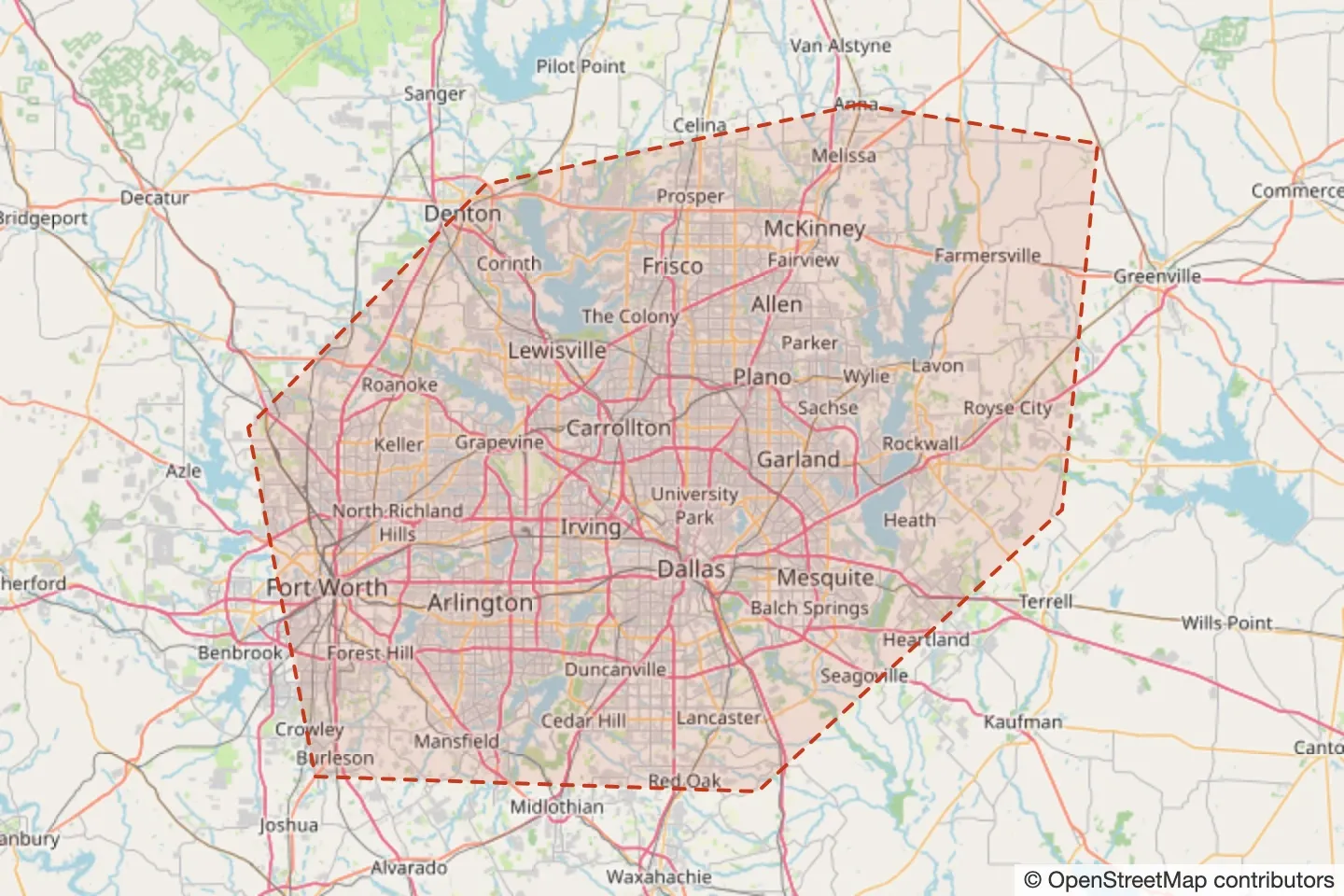
Water Mitigation Services in McKinney, TX
Water mitigation is the emergency process of stopping water damage from spreading after a leak, flood, overflow, or storm-related water intrusion. In McKinney, TX, we provide water mitigation services that can include inspection, source-control guidance, water extraction, drying equipment setup, moisture monitoring, affected-material evaluation, and documentation so the property can move safely toward cleanup and restoration.
Mitigation happens before full repair, and its goal is narrower than most people expect: stop the damage from getting worse, and put the property in a stable, documented condition. Whether it is a house, an apartment, a rental property, or a commercial space, the same principle applies — the faster the property is stabilized, the less has to be repaired afterward.
What Is Water Mitigation?
Water mitigation means taking immediate steps to limit damage after water enters a building. Typical actions include a safety inspection, stopping the source if it is safe to do so, extracting standing water, setting drying equipment, removing unsalvageable wet materials when needed, monitoring moisture over the following days, and documenting conditions throughout.
Mitigation does not always mean the job is finished once the crew leaves — it means the damage has stopped spreading and the property is on a controlled path toward drying. We are careful not to over-promise here: mitigation reduces risk and limits loss, but it cannot reverse damage that has already happened, and it cannot guarantee every material will be saved.
What water mitigation can include
- Safety and moisture inspection
- Source control guidance when it is safe to act
- Standing water extraction
- Drying equipment setup and airflow management
- Moisture monitoring over the following days
- Photo and moisture documentation throughout
Water Mitigation vs. Water Restoration
These two words get used almost interchangeably, and that causes real confusion when someone is trying to figure out who to call. Water mitigation stops additional damage from happening — think extracting standing water and drying wet walls. Water restoration is the repair and rebuild phase that comes after: replacing drywall, flooring, cabinets, or finishes once the structure is confirmed dry.
Cleanup sits between the two. It covers removing water-damaged debris and materials, cleaning, sanitizing, and controlling odor so the space is ready for repair work. A single company may offer all three phases on the same job, but they are different stages of work, not different words for the same thing, and we keep that distinction clear with every customer so nobody is surprised by what comes next.
When You Need Emergency Water Mitigation
Some situations call for mitigation immediately rather than waiting to see how bad it gets. Standing water, wet drywall, soaked baseboards or insulation, saturated carpet or hardwood, a sagging or leaking ceiling, a flooded basement or lower-level space, an appliance failure or burst pipe, a sewage backup, water near electrical systems, or a musty odor after a leak are all reasons to call rather than wait.
Not every trigger is dramatic. Hot attics are a genuine North Texas problem — ductwork running through an attic that regularly hits well over 100 degrees in summer can sweat condensation onto the insulation and ceiling drywall below it, especially where duct wrap has degraded or was never sealed well at the seams. That slow, recurring drip gets mistaken for a roof leak more often than people expect, and it needs the same moisture assessment and drying response as any other water intrusion, even though nothing ever "flooded."
Safety comes first
Stay out of areas with water near electrical systems
Shut off power at the breaker if it is safe to reach, and do not enter the space until it has been checked.
Avoid contaminated or unknown-source water
Sewage backups and standing water that has been sitting for a while carry contamination risk that changes how the job is handled.
Only stop the source if it is safe to do so
A valve or shutoff that is easy to reach is worth closing; anything that requires getting into standing water near electrical is not worth the risk.
Our Water Mitigation Process
Every mitigation job follows the same general sequence, adjusted for the size and type of loss.
1. Emergency Call and Job Intake
We start by gathering the basics — the water source, which rooms are affected, the type of property, whether water is still active, and any safety concerns. This is also when we confirm the address and get a technician headed your way.
2. Safety Inspection and Moisture Assessment
On arrival, we identify visible water, check for hidden moisture, assess contamination risk, and flag any urgent hazards before work begins. This is where we decide what needs immediate attention and what can wait for the next phase.
3. Source Control and Damage Containment
Where it is safe and within our scope, we stop or isolate the water source. If the fix requires a licensed plumber, we say so plainly and coordinate rather than attempt a repair outside our scope. Containment can help limit how far moisture migrates through the property while the rest of the job gets underway.
Source control is not always as simple as closing a valve. A slab leak — common in this area because expansive clay soils shift with moisture and stress the supply lines running through or under the foundation — often cannot be isolated at a single fixture shutoff, and the main water supply has to stay off until a plumber locates and repairs the leak. In those cases we set up mitigation around the fact that the source may still be an open question, rather than waiting to start extraction and drying until it is fully resolved.
4. Water Extraction
Standing water gets removed from floors and affected materials. This step is covered in more detail on our water extraction page, since extraction is often the first thing people search for when they need help fast.
5. Drying Equipment Setup
Air movers, dehumidifiers, and containment go in where appropriate. The two pieces of equipment do different jobs: air movers break up the layer of humid air sitting against a wet surface so evaporation can keep happening, and dehumidifiers pull that moisture back out of the room air so it does not just resettle on the nearest dry material. Running air movers without enough dehumidification just pushes humidity around the room instead of removing it, which is why equipment is sized to the space rather than dropped in on a fixed ratio. We do not promise an exact drying timeline before we have inspected the property — humidity, material type, and how long the area was wet all affect how long drying actually takes.
6. Moisture Monitoring and Documentation
We take moisture readings, photos, and drying logs throughout the job, adjusting equipment as conditions change. That documentation supports communication with property owners, managers, and, where relevant, insurance carriers.
What Happens After Water Mitigation?
Once moisture is under control, the property typically needs one or more of the following: cleanup and sanitizing, odor control, replacement of materials that could not be saved, contents cleaning, or reconstruction. Some materials can dry in place; others need to come out depending on contamination level and how long they were wet. Depending on the scope, those final repairs may be completed by our team or coordinated with a separate contractor.
Water Mitigation for Homes and Commercial Properties
We handle mitigation for houses, condos, apartments, rental properties, and the usual trouble spots inside them — basements, kitchens, bathrooms, and laundry rooms. Commercial properties bring their own concerns: minimizing downtime, keeping tenants or customers safe around the work area, documentation multiple stakeholders may need to see, and sometimes work scheduled after hours to reduce disruption. The mitigation steps themselves do not change; the coordination around them does.
Insurance Documentation for Water Mitigation
We document affected areas with moisture readings, photos, equipment usage records, and notes on material condition throughout the job. That documentation can help you communicate with your insurance carrier or adjuster about what happened and what was done. What it cannot do is guarantee coverage — whether a loss is covered, and how much, depends on your policy and the cause of the water, and those decisions belong to your insurance carrier, not to us.
Water Mitigation and Mold Risk
Fast drying and moisture control can reduce the conditions that support mold growth, but mitigation cannot guarantee mold prevention in every case. Conditions favorable to mold growth can start developing within one to two days in a warm, humid space, which is part of why we treat timing as a real factor rather than a sales point — the gap between when water enters a building and when drying actually starts matters more for mold risk than almost anything else in the job.
Moisture can hide behind walls, under flooring, inside cabinets, and in crawl spaces long after the visible water is gone. If you notice visible mold or a persistent musty smell after a water event, that is worth a dedicated look — see mold remediation or a mold inspection to find out what is actually going on before deciding on next steps.
Call Superior Emergency Restoration for Water Mitigation in McKinney, TX
If water is spreading through your property in McKinney, TX, call us for water mitigation. We can inspect the damage, remove standing water when needed, set drying equipment, monitor moisture, and document the job so cleanup and restoration can move forward with less uncertainty.