Refrigerator Leak Cleanup and Drying in McKinney, TX
Refrigerator leaks in McKinney, TX usually come from one of three places: the water line feeding an ice maker or door dispenser, a clogged defrost drain that backs up and overflows onto the floor, or a drip pan that has cracked, shifted, or simply overflowed. Unlike a dishwasher, a refrigerator often sits untouched for years, which means a slow leak from a pinhole in the supply line can run for weeks before anyone notices water damage — usually not because they saw it, but because the flooring nearby started to feel soft or the baseboard started to discolor.
Our refrigerator leak cleanup service in McKinney, TX starts by pulling the unit and checking moisture with a meter in the flooring, the cabinet base next to it, and the wall behind the water line connection. We extract any standing water, dry what can be saved, remove what cannot, and document the full extent of the damage — including the part that was never visible from the kitchen floor.
What to Do Right Away
A refrigerator leak rarely creates the kind of active emergency a burst pipe does, but a few early decisions still affect how much damage you're dealing with by the time we arrive.
Before we arrive
Turn off the water line to the ice maker or dispenser if there is one
This is usually a small valve behind the refrigerator or under a nearby sink, and it stops an active leak at the source.
Unplug the refrigerator only if you can reach the outlet without stepping in water
Never reach across standing water to unplug an appliance.
Do not pull the refrigerator away from the wall by yourself if the floor feels unstable
A soft or spongy floor under a full-size refrigerator is not something to test your weight on.
Photograph the water and any discoloration on the floor or baseboard before cleaning it up
This is the documentation that matters most for your records.
Move food and small items away from the wet area
Standing water near stored food or pet bowls is a separate hygiene issue worth handling right away.
How Our Refrigerator Leak Cleanup Process Works
We start by moving the refrigerator so we can actually see and measure what's happening behind and underneath it, rather than guessing from the visible edge of the wet spot. Moisture readings go on the flooring, the cabinet base, the baseboard, and the drywall behind the water line connection. Where the leak has been running long enough for standing water, we extract it first; where materials have absorbed water past the point of drying, we remove them in a controlled way.
What refrigerator leak cleanup covers
- Moisture inspection behind and under the refrigerator
- Water extraction where standing water is present
- Removal of flooring or baseboard that cannot be dried
- Structural drying and dehumidification of the affected area
- Cleaning, sanitizing, and odor control where needed
- Photo and moisture-reading documentation throughout
Common Damage Areas and Warning Signs
Refrigerator leaks tend to hide in plain sight because the appliance itself blocks the view of where the water is actually going. These are the areas we check every time.
Kitchen Water Damage From Refrigerator Leaks
Look for a slightly darker or softer patch of flooring extending out from under the refrigerator, a musty smell near the appliance that wasn't there before, or baseboard that has started to warp or separate from the wall on the side closest to the water line connection. Vinyl and laminate flooring near the refrigerator often shows the earliest visible sign at a seam or transition strip rather than in the middle of a plank, since that's where water finds the easiest path underneath the surface layer.
Ice Maker and Supply-Line Leak Scenarios
The plastic or copper line running from a shutoff valve to the back of the refrigerator is a common failure point — it can crack from age, get pinched when the unit is pushed back against the wall, or work loose at a compression fitting. Copper lines tend to develop pinhole leaks from age, while plastic lines are more prone to cracking where they bend sharply behind the unit — either way, the failure point is usually hidden from view until the damage has already spread. Because this line runs low along the wall or floor, a leak here often drips straight down into the flooring and subfloor for a long time before it ever shows on the surface.
Moisture Under Flooring and Behind Cabinets
Slow leaks are the ones that do the most quiet damage, because there's never a dramatic puddle to prompt someone to investigate. We check moisture under the flooring directly beneath the unit and in the cabinet base next to it, since water traveling along a slab or subfloor doesn't stay confined to the footprint of the refrigerator itself. Cabinet toe kicks are a common blind spot in this kind of leak — the recessed space under the cabinet doors traps water where no fan or air current ever reaches it, and a particleboard cabinet box that has been sitting in that trapped moisture swells permanently and loses its structural strength well before anything looks wrong from the front.
Drying and Documentation After Slow Leaks
A leak that's been running for weeks needs a different approach than a sudden overflow — the materials involved have had much longer to absorb water, and there's a real chance mold has already started in a spot nobody has looked at. We document moisture levels thoroughly in these cases, both to guide the drying plan and to give you a clear record of how long the problem had likely been developing.
Cleanup, Drying, and Repair Coordination
Our role is the water damage — extraction, drying, sanitizing, odor control, and documenting what was affected. If the refrigerator itself needs a new water line, valve, or door seal, that repair belongs with an appliance technician, and we're glad to flag what we saw so the actual cause gets fixed instead of just the flooring underneath it. Where cabinets, baseboard, or flooring need to be rebuilt or replaced once drying is complete, our remodeling team can take that on, or you can use your own contractor. Everything we find gets documented for your insurance carrier; what the policy covers is a decision the carrier makes, not us.
Related Water Damage Services
A refrigerator leak sometimes overlaps with other water damage work, and these related pages cover the parts that go beyond the appliance itself.
For active standing water, see water extraction. For the broader process of containing damage before it spreads, see water mitigation. Once materials are wet through, structural drying covers bringing them back to a safe moisture level, and moisture mapping is how we track that progress rather than guess at it. If a dishwasher is also part of the problem, see dishwasher leak cleanup. And if kitchen items or nearby belongings need to move out of the way while we work, see contents cleaning and storage.
Get Refrigerator Leak Cleanup Help in McKinney, TX
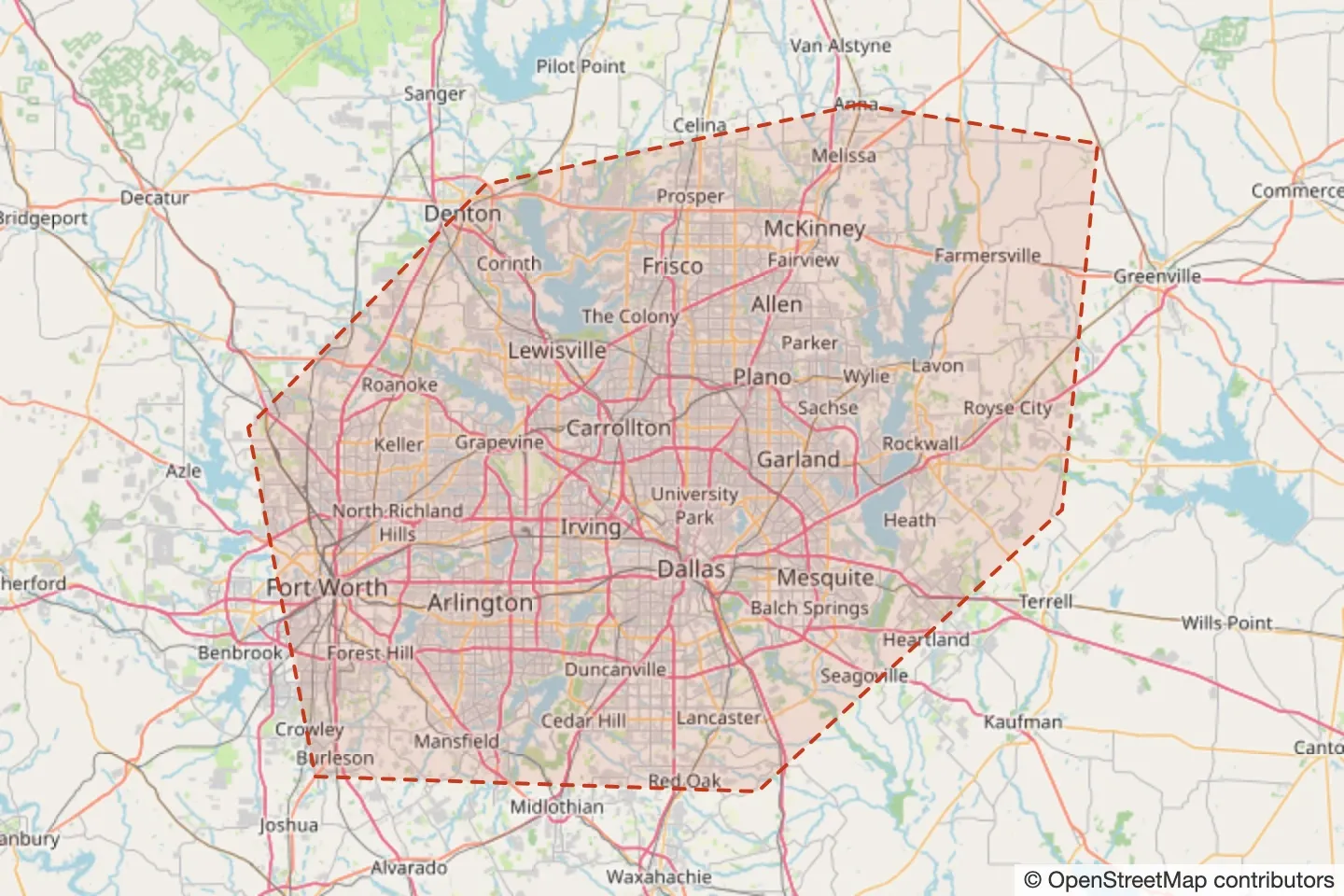
Whether you just found a puddle behind the refrigerator or you've noticed soft flooring and don't know how long it's been wet, call us. We'll pull the unit, check moisture properly, tell you plainly what can be dried and what has to be replaced, and document everything for your records. We serve homes and businesses across McKinney, TX and the surrounding area, and the on-site estimate is free.