Fire Sprinkler Water Damage Cleanup in McKinney, TX
Fire sprinkler discharge in a home or business in McKinney, TX can come from an actual fire, a false alarm, a malfunctioning head, or even routine system testing gone wrong — and regardless of the cause, the water damage that follows behaves the same way. A single activated head can release a large volume of water in a short amount of time, and in an office, retail space, or multi-tenant building, that water spreads across open floor plans fast and drops through ceiling tiles into the space below before anyone has a chance to react.
In older buildings, sprinkler water is often not clean — pipes that have sat full of standing water for years can discharge a rust-colored, sediment-heavy flow that stains ceiling tile, flooring, and contents on contact. When a head activates because of an actual fire rather than a mechanical failure or a test, the water has usually passed through smoke, soot, and combustion byproducts on its way down, which is why we treat sprinkler discharge as contaminated water rather than clean water regardless of how clear it looks. That distinction changes which materials can be dried in place versus removed, and it changes how contents get cleaned rather than just wiped down. Our fire sprinkler water damage cleanup in McKinney, TX starts with fast extraction, moves into moisture mapping across every affected floor and room, and includes protecting contents, inventory, and equipment that are still in the path of the water.
What to Do Right Away
Sprinkler discharge is an active water event, and the first priority is safety — especially in a commercial space where electrical systems, suspended ceilings, and inventory are all at risk at once.
Before we arrive
Shut off power to affected areas at the breaker if it is safe to do so
Water dropping through ceiling tiles near lighting or electrical equipment is a real hazard.
Stay clear of sagging ceiling tiles or panels
Saturated ceiling material can hold a surprising amount of water before it fails.
Move inventory, files, and equipment out of the path of dripping water where it is safe to do so
Every minute an item sits under active dripping adds to the damage.
Photograph the affected areas, including ceiling, flooring, and any stained or damaged contents
This documentation matters for your insurance record and for any building or facility report.
Notify your property manager or building management if you are in a leased or multi-tenant space
Sprinkler systems are shared building infrastructure, and management needs to know regardless of whose unit was affected.
How Our Fire Sprinkler Water Damage Process Works
Because sprinkler water spreads quickly across open commercial floor plans and can travel between floors, we start by mapping the full extent of the water rather than treating it as a single-room problem. Extraction comes first wherever standing water is present, followed by moisture checks in ceiling cavities, flooring, and wall cavities on every level the water may have reached.
What fire sprinkler water damage cleanup covers
- Fast water extraction across affected floors and rooms
- Moisture mapping of ceilings, flooring, and wall cavities
- Protection and cleaning of contents, inventory, and equipment
- Structural drying and dehumidification of the space
- Cleaning, sanitizing, and odor control where needed
- Photo and moisture-reading documentation for your records
Common Damage Areas and Warning Signs
Sprinkler water moves differently than a plumbing leak because of the volume and pressure involved, and the damage often extends well beyond the room where the head activated.
Water Damage After Fire Sprinkler Discharge
Ceiling tiles are usually the first casualty — they absorb water quickly, sag, and can collapse under the added weight. Above a suspended ceiling grid, insulation and any exposed wiring or ductwork sit directly in the path of the water, and a soaked tile can hold several times its dry weight before it finally gives way, which is why we clear people out from underneath a sagging section rather than waiting to see if it holds. From there, water tracks along ductwork and structural framing, drops onto the floor below in multi-story buildings, and pools wherever the floor is not perfectly level.
Commercial Spaces, Tenant Areas, and Contents Protection
Offices, retail floors, and multi-tenant buildings usually have more at stake in the contents than the structure — inventory, files, electronics, and fixtures can all be affected at once. Paper records and file boxes wick water from the bottom up even when the tops look untouched, server and network equipment can be damaged by a few drops finding the wrong connector, and retail merchandise on lower shelving sits directly in the path of anything dripping from above. We prioritize whichever of these is most exposed first rather than working the room in a fixed order, since getting to these items quickly and moving them out of the water's path matters as much as drying the building itself.
Extraction, Drying, and Documentation for Claims
Because sprinkler discharge often triggers both an insurance claim and, in a leased space, a conversation with property management or a landlord, we document the affected area thoroughly — photos, moisture readings, and a written account of what was extracted and dried.
Coordination With Fire Protection and Property Management
We handle the water damage cleanup, not the sprinkler system itself. Getting the system inspected, reset, or repaired is a job for a licensed fire protection contractor, and in a leased or multi-tenant building, property management typically needs to be involved regardless of which unit was affected. A discharged head usually means that section of the system is out of service until a fire protection contractor inspects and resets it, so property management or a facilities contact needs to know quickly — not only to arrange the repair, but because the building may be without sprinkler coverage in that area until it's restored.
Cleanup, Drying, and Repair Coordination
Our part of the job is the water: extraction, moisture mapping, structural drying, contents protection, and documentation. If the sprinkler head or system itself needs repair or inspection, that goes to a licensed fire protection contractor. Once the space is confirmed dry, rebuilding ceiling tile, flooring, or drywall is repair and remodel work — our remodeling team can take that on, or you can use your own contractor. We document everything for your insurance carrier or property management's review; what gets covered and by whom is a decision for the carrier and the parties involved, not for us.
Related Water Damage Services
Fire sprinkler discharge often overlaps with other parts of a water damage job, and these related pages cover the pieces beyond the initial extraction.
For fast removal of standing water, see water extraction. Once ceilings, flooring, and framing are wet through, structural drying covers bringing them back to a safe moisture level, and moisture mapping is how we track that across multiple rooms or floors. For the broader process of containing damage before it spreads further through the building, see water mitigation. And where inventory, files, or equipment need to be inventoried, cleaned, or stored while the space dries, see contents cleaning and storage.
Get Fire Sprinkler Water Damage Help in McKinney, TX
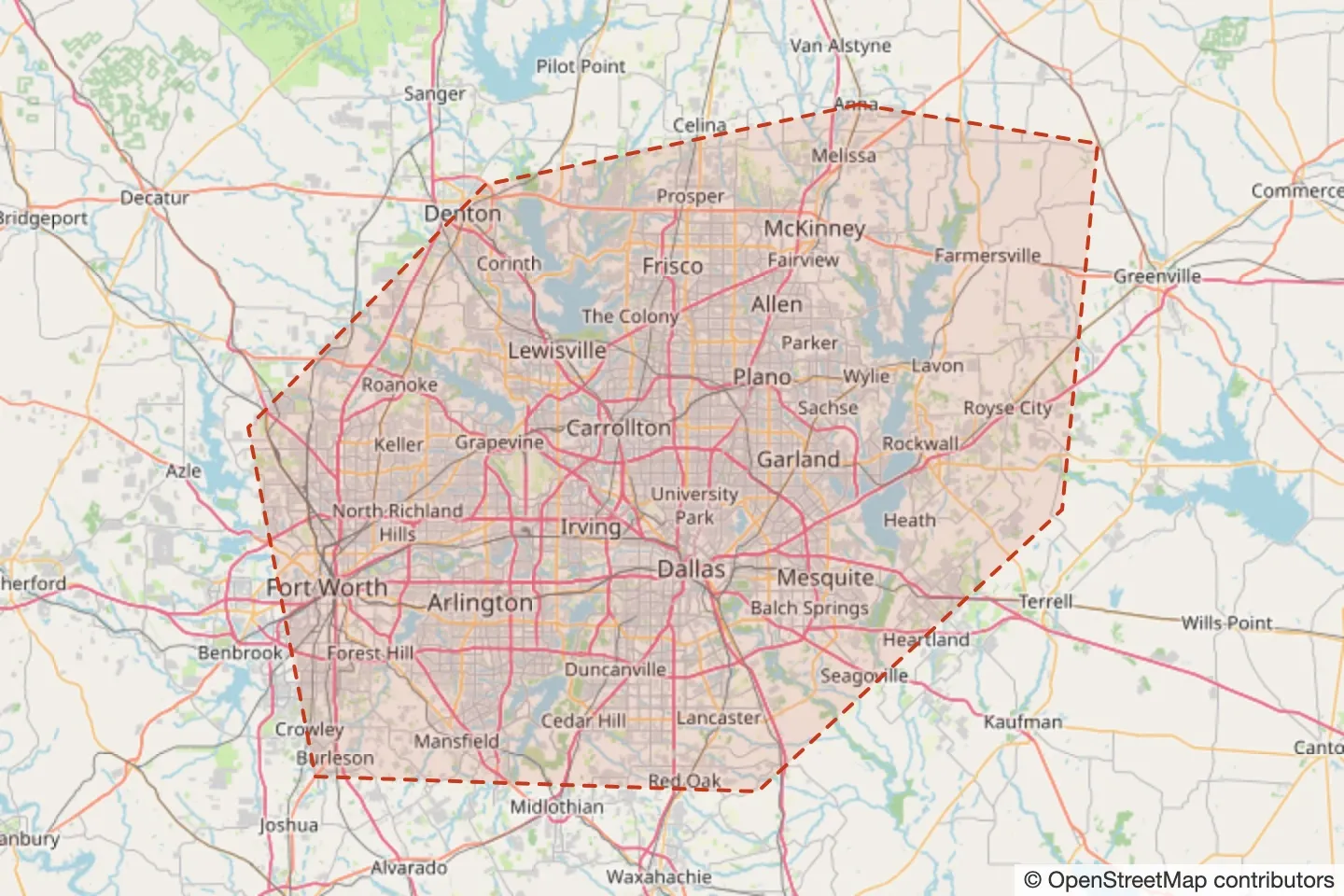
If a sprinkler head has discharged in your home or business in McKinney, TX, call us right away. We'll get extraction started, protect contents still in the water's path, dry the structure, and document everything for your insurance carrier or property management. We serve homes and businesses across McKinney, TX and the surrounding area, and the on-site estimate is free.