Remodeling and Renovation for McKinney, TX Homes — From Planned Projects to Post-Damage Rebuilds
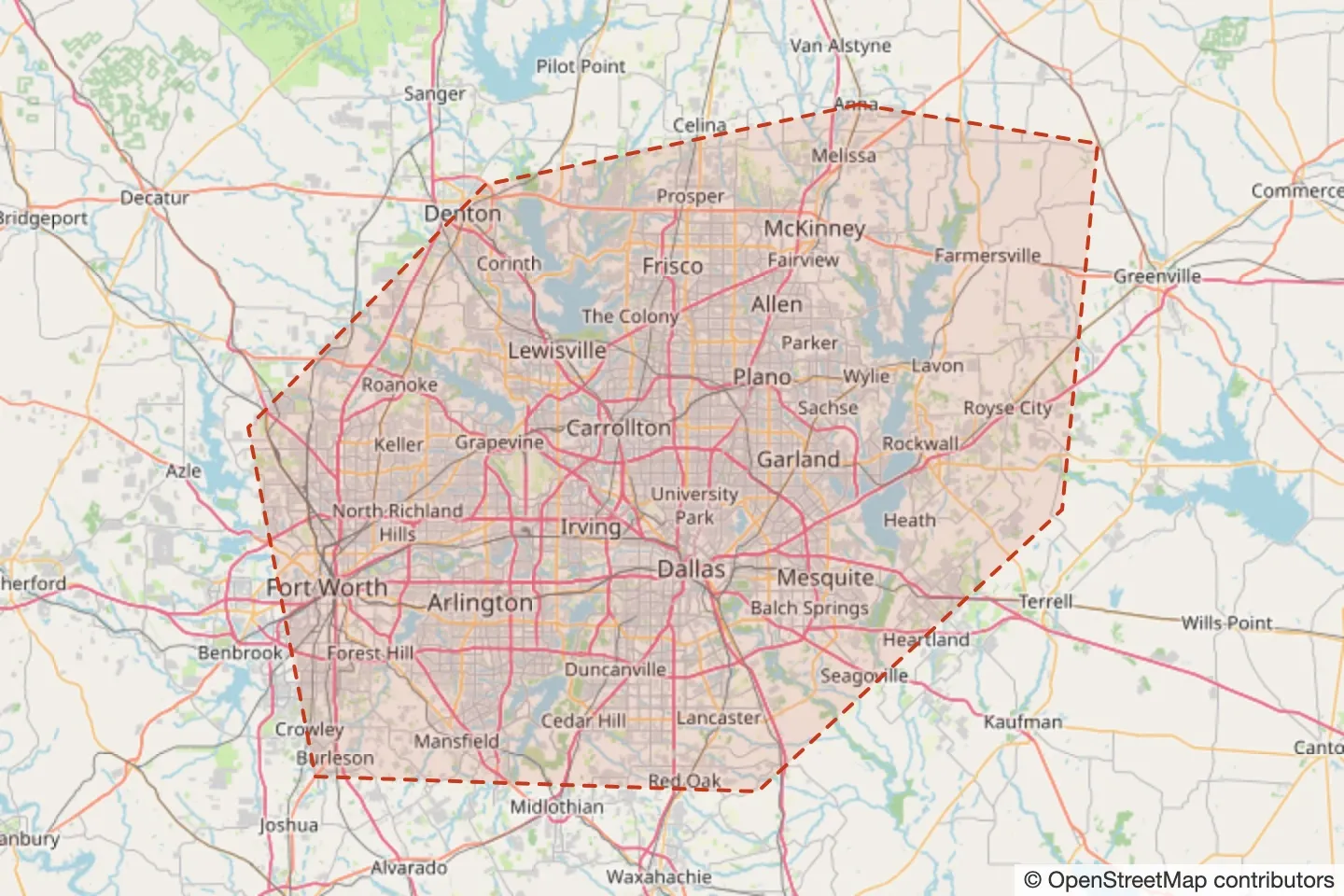
Superior Emergency Restoration is a locally owned remodeling and restoration contractor based in McKinney, working across Dallas–Fort Worth. Two very different projects bring people to this page, and we handle both. Some of our work is exactly what you would expect from any home remodeling contractor: a dated bathroom, a kitchen that no longer fits how the household actually cooks, floors that have had enough. The rest starts with a loss — a supply line that failed, a fire, mold found behind tile — where the property has to be put back before anyone thinks about finishes.
That combination is unusual, and it is the practical reason to hire us. Most remodelers begin work when a space is already sound. We spend our year opening walls up. When demolition turns up a soft subfloor, a slow leak nobody knew about, or a cabinet run that has been quietly wicking water, that is an ordinary Tuesday for our crews rather than a stopped job and a phone call telling you the timeline just moved.
We are licensed and insured, we have been doing this for more than 10 years, and the estimate is free. Plumbing, gas and electrical work is performed by licensed trade partners — we would rather tell you that plainly than imply one crew covers every trade.
What We Remodel in McKinney
Our remodeling work concentrates on three areas, each with its own page covering scope, sequencing and the decisions you will be asked to make. Kitchen and bath remodeling is the bulk of it, with flooring both as a standalone job and as the last phase of a larger project.
Bathroom Remodeling
Showers, tubs, tub-to-shower conversions, vanities, tile, fixtures, lighting and ventilation — targeted updates through full gut renovations.
Bathroom remodeling in McKinneyKitchen Remodeling
Cabinets, countertops, flooring, fixtures and layout changes, including kitchens rebuilt after an appliance leak or a fire.
Kitchen remodeling in McKinneyFlooring Installation
Hardwood, engineered, tile, luxury vinyl and carpet — with the subfloor tested and prepared before anything goes down over it.
Flooring installation in McKinneyProjects range from a single room to whole home remodeling, and the scope tier changes the conversation more than the room does. A targeted update works around what is staying. A full gut renovation opens the space back to studs, which costs more and takes longer but removes almost all of the guesswork — you find out what is actually behind the walls before you commit to finishes rather than three weeks in.
Rebuilding After Water, Fire, or Mold Damage
A large share of our remodeling work begins as a restoration job. A burst supply line under a slab, a dishwasher that leaked for months under the cabinet run, smoke that moved through a house the fire never reached, mold found when a shower surround came off. Once mitigation is finished, the property is dried and sound but it is not finished — there is drywall out, flooring up, and cabinets gone. That rebuild is the same trade as a planned remodel, and we carry it under one contract.
The advantage is not speed, it is the absence of a handoff. When a restoration company dries a property and then hands you to a separate general contractor, the gap between those two scopes is where projects stall and where arguments start about who owns what is behind the wall. Because the crew that documented the loss is the crew that rebuilds it, the rebuild scope is written from actual moisture readings and photographs rather than from an assumption about what was removed and why.
We document thoroughly throughout — photographs before anything is moved, moisture readings across the drying period, and an itemized scope. That record is what your insurer works from. What we will not do is tell you what your policy covers or what will be approved; that decision belongs to your carrier, and any contractor who promises otherwise is guessing on your behalf.
The mitigation side of this work is covered on its own pages — water damage restoration, fire damage restoration and mold remediation — because the drying and remediation process is a separate discipline from the rebuild. This page is about what happens after the property is sound.
How a Remodeling Project Runs, Start to Finish
Most people managing a renovation have not done it before, and the uncertainty is usually worse than the disruption. Here is the honest shape of a project.
The phases of a remodeling project
- Consultation and scope — we walk the space, talk through what you want, and write a scope against what is actually there.
- Design and selections — tile, cabinetry, countertops, flooring and fixtures. This is the phase homeowners control, and the one that most often moves a start date.
- Permits where required — pulled before work begins on structural, plumbing, gas or electrical changes.
- Demolition — the phase where a project finds out what it is really dealing with.
- Rough-in — framing changes, plumbing, gas and electrical by licensed trade partners, inspected before anything is closed up.
- Finishes — drywall, paint, tile, cabinetry, countertops, flooring and fixtures, in that order.
- Walkthrough — we go through the work with you and build a punch list before we call it complete.
Two things surprise people, so they are worth saying in advance. The first is that countertop templating happens after cabinets are set, not before, which puts a fabrication wait in the middle of every kitchen project no matter how well it is scheduled. The second is that a scope written before demolition is based only on what was visible. If we open a wall and find rot, a failed subfloor, or old work that was never done to code, we price it and document it as a change in scope and show you before we continue. You will not find it on the final invoice as a surprise.
We also isolate the work. Dust containment is something our crews set up daily on restoration jobs, and we bring the same practice to remodeling — sealed work zones so the rest of the home stays livable. For most single-room projects you can stay in the house. A whole-home renovation, or a kitchen with no temporary setup, is genuinely harder, and we will tell you that rather than let you find out in week two.
What a Remodel Costs in McKinney, TX
Cost is the first real question and most contractors dodge it, so here is a straight answer about what actually moves the number. Square footage matters less than people expect. What moves home remodeling cost most is whether services move — relocating plumbing, gas or electrical is the single biggest swing in a bathroom or kitchen, because it turns a finish job into a rough-in job. After that: material grade, whether cabinetry is refaced or replaced, the condition of the subfloor once the old flooring is up, and whether the walls are already open.
That last one is why post-damage rebuilds often price differently than an identical-looking planned remodel. When demolition has already happened as part of mitigation, a significant cost is already behind you and the scope can be written against what is visible rather than what is assumed.
We will not publish a price range, because a range wide enough to be honest is too wide to be useful, and a narrow one would be a guess about your property. What we will do is walk the space, write an itemized scope against it, and explain which line items are firm and which depend on what demolition finds. That estimate is free and carries no obligation.
Book a Remodeling Consultation in McKinney, TX
If you are planning a kitchen, bathroom or flooring project anywhere in Dallas–Fort Worth, or you have finished the mitigation half of a loss and need the property put back, send us the details. We will arrange a walkthrough, write a real scope, and tell you plainly what the work involves — including the parts you will not enjoy hearing. As home renovation contractors who also handle the damage, we would rather set the expectation correctly at the estimate than manage a surprise later.