Crawl Space Flooding Cleanup in McKinney, TX
It's worth saying plainly: most homes in McKinney, TX are built on a concrete slab, not over a crawl space, so a lot of homeowners here never have to think about this at all. Where a crawl space does exist — older homes, pier-and-beam construction, additions built on a raised foundation, or homes on lots with drainage issues — it's also one of the easiest places in the house to flood without anyone noticing right away. Water gets in from heavy rain, a grading or drainage problem, a plumbing leak running under the house, or groundwater pushing up after a long wet stretch, and it can sit there for weeks before a musty smell or a spike in the utility bill gives it away.
Our crawl space flooding cleanup in McKinney, TX starts with getting into the space to see and measure what's actually happening — standing water, wet insulation, damp framing — rather than guessing from the access hatch. We extract standing water, remove insulation and materials that cannot be dried, set up drying equipment, and document the moisture readings so you have a clear record of what was found and what was done about it.
What to Do Right Away
Crawl spaces are tight, dark, and often not somewhere you should be climbing into on your own, especially if there's standing water involved. The most useful things you can do happen from above ground.
Before we arrive
Do not enter the crawl space yourself
Standing water, unstable framing, low clearance, and exposed wiring make this a job for someone with the right equipment and experience.
Shut off power to any outlets, lights, or equipment inside the crawl space if you can do it safely
Electrical connections and standing water are a dangerous combination.
Note where you noticed the problem
A musty smell in one room, a soft spot in the flooring, or water near the foundation vents all help us find the source faster.
Do not run a shop vac or fans into the space without knowing the water is clean
Water that entered through soil or a sewage line needs to be handled differently than clean rainwater.
Call for an inspection rather than waiting to see if it dries on its own
Standing water and wet insulation under a house rarely dry out on their own before mold becomes a second problem.
How Our Crawl Space Flooding Process Works
We go into the crawl space with moisture meters and, where needed, extraction equipment sized for tight access. Standing water comes out first. From there we check insulation, the vapor barrier if one is present, the framing and subfloor above, and any ductwork or plumbing running through the space, since all of those hold or channel moisture differently.
What crawl space flooding cleanup covers
- Standing water extraction from the crawl space
- Moisture inspection of insulation, framing, and subfloor
- Removal of wet insulation and unsalvageable materials
- Structural drying and dehumidification of the space
- Vapor barrier and ductwork condition checks
- Photo and moisture-reading documentation throughout
Common Damage Areas and Warning Signs
Because a crawl space is out of sight, the warning signs usually show up somewhere else in the house first. Here's what we check and what's worth noticing before that.
Standing Water Removal From Crawl Spaces
Water pools at the lowest point of the space and often has nowhere to drain on its own, especially if the original grading or a vapor barrier is trapping it in place. Because the ground under a house is rarely graded perfectly flat, water usually spreads out horizontally across a wide section of the crawl space rather than staying in one visible puddle, which means the area affected is often much larger than the size of the original intrusion would suggest. Left alone, it keeps the ground and everything above it damp indefinitely rather than gradually improving.
Moisture, Insulation, and Vapor Barrier Checks
Fiberglass batt insulation between the floor joists absorbs water and sags out of place once it's wet, which means it stops insulating and starts holding moisture against the wood above it. A torn, missing, or improperly installed vapor barrier on the ground is one of the most common reasons a crawl space stays damp long after the original water event is over. Many older North Texas homes with a true crawl space also route HVAC ductwork through it, and wet insulation packed up against a duct run adds a condensation problem on top of the flooding itself, along with making the system work harder until everything is dried out.
Drying and Dehumidification Below the Home
Crawl spaces dry slowly because there's little airflow and often no direct sunlight to help. We bring in air movers and dehumidifiers sized for the space and monitor moisture levels in the framing and subfloor until they're back to a safe range, rather than pulling equipment out on a fixed schedule. Because access is limited and the space is enclosed, we place moisture readings at multiple points across the footprint rather than checking only near the entry hatch, since a spot close to the access point can look dry while ground moisture is still elevated on the far side of the house.
Mold Prevention and Related Crawl Space Services
A crawl space that's been wet for more than a couple of days is a strong candidate for mold on the underside of the subfloor and along the framing. If we find visible growth during a flooding cleanup, we address the water first and point you to our crawl space mold removal team for the growth itself rather than treating both as the same job.
Cleanup, Drying, and Repair Coordination
Our focus is the water: extraction, drying, removing insulation and materials that can't be saved, and documenting the condition of the space throughout. If the flooding traces back to a plumbing leak, a grading problem, or foundation drainage, that repair belongs with a plumber or a foundation and drainage contractor, and we'll tell you plainly what we saw so you know what to ask them to fix. If insulation or subfloor material needs to be replaced once everything is dry, that rebuild work can go to your own contractor or to our remodeling team. Everything we document is available for your insurance carrier's review; what the policy covers is the carrier's decision, not ours.
Related Water Damage Services
Crawl space flooding often connects to other parts of a water damage job, and these related pages cover the pieces that extend beyond the space itself.
For getting standing water out fast, see water extraction. Once materials are wet through, structural drying covers bringing them back to a safe moisture level, and moisture mapping is how we track that progress instead of guessing. For the broader process of containing water damage before it spreads further into the house, see water mitigation. And if the water involved is from a sewage backup or another contaminated source, see sewage cleanup.
Get Crawl Space Flooding Help in McKinney, TX
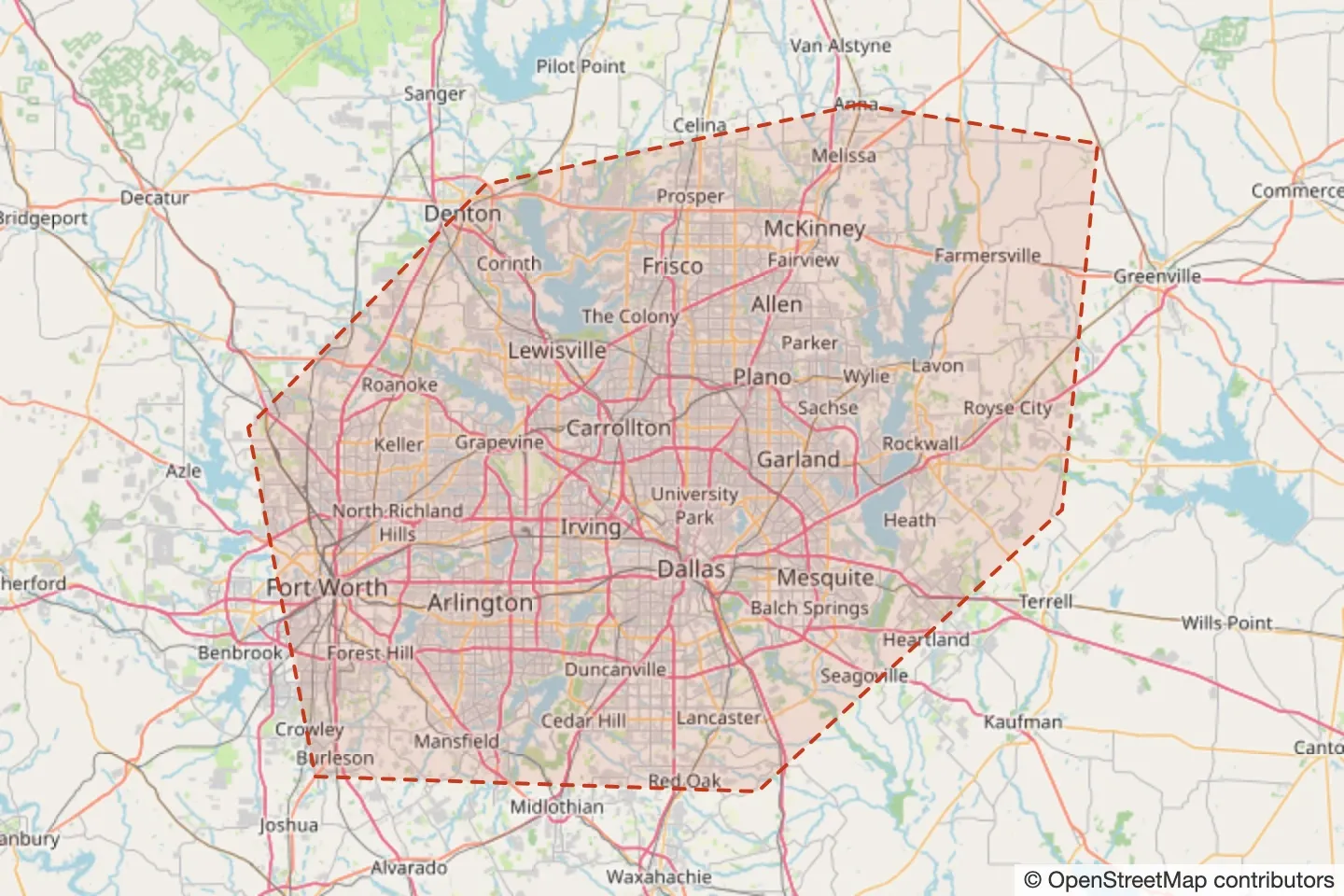
If you've noticed a musty smell, higher humidity in the rooms above a crawl space, or you already know there's standing water underneath your home in McKinney, TX, call us. We'll get into the space, tell you plainly what we find, extract and dry what needs it, and document everything for your records. We serve homes and businesses across McKinney, TX and the surrounding area, and the on-site estimate is free.