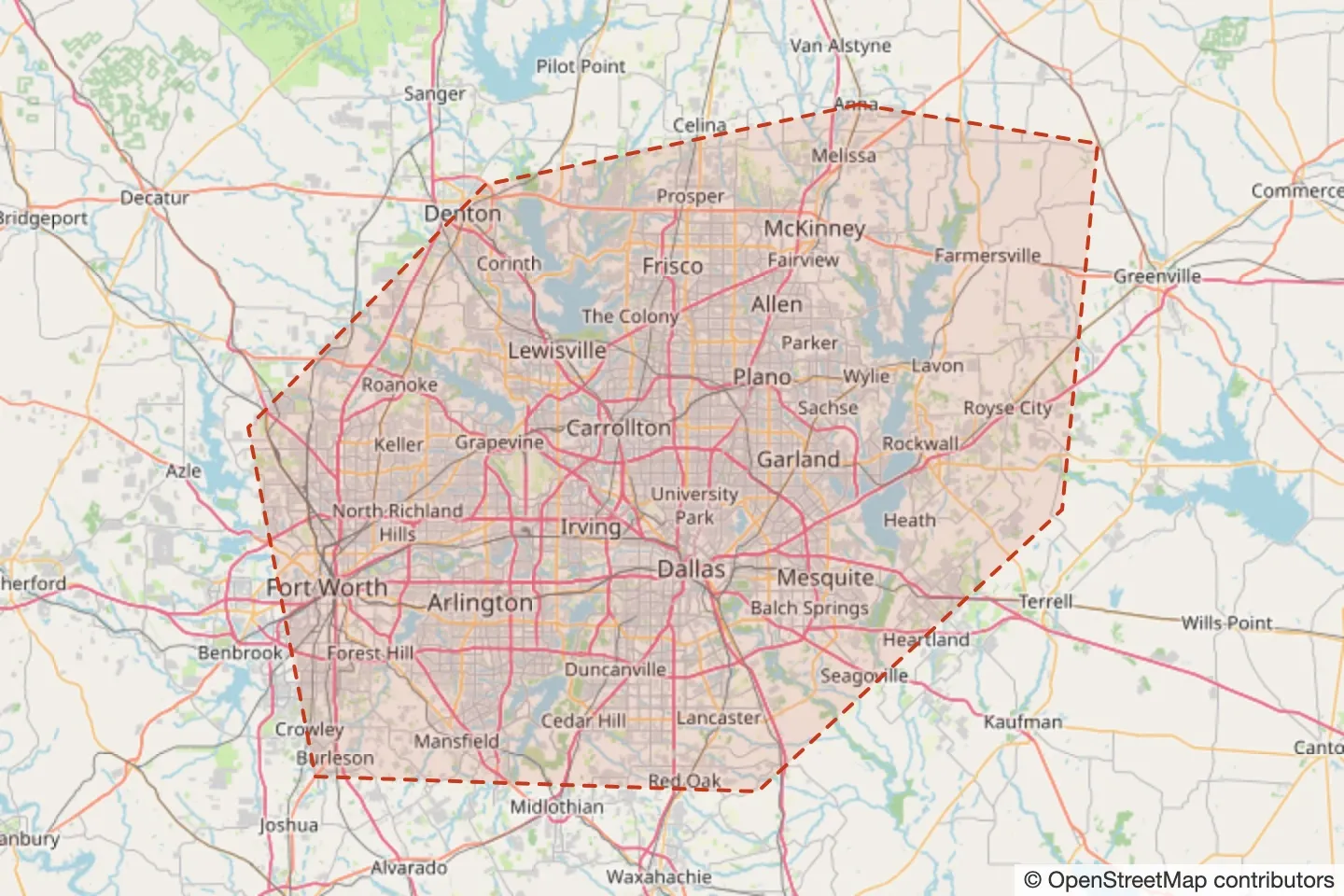
Fast Bathtub Overflow Cleanup in McKinney, TX
A bathtub left running for even a few minutes too long can put a surprising amount of water onto a bathroom floor, and from there it does not stay in the bathroom. We provide bathtub overflow cleanup in McKinney, TX — inspecting the affected floor, walls, and cabinetry, extracting any standing water, drying the materials that absorbed it, cleaning and deodorizing as needed, and documenting the loss.
Most overflow calls are more about what happened after the water hit the floor than the overflow itself — where it traveled, what it soaked into, and whether it reached a room below.
What to Do Right Away
Turn off the water if it is still running and it is safe to reach. Avoid standing water near outlets or light switches, and do not step onto a ceiling below that has started to sag or drip — that ceiling is holding weight and can fail. Move rugs, towels, and anything valuable out of the wet area if you can do it without tracking water further into the house, and take a few photos before you start mopping up. Do not pull up flooring or cut into drywall yourself before we have had a chance to see how far the water actually went; removing material too early can lose information both you and your insurer will want later.
How Our Bathtub Overflow Cleanup Process Works
Every overflow call starts with figuring out where the water went, not just how much of it there is on the floor. A standard tub holds somewhere around 40 to 80 gallons depending on its size, and a fill valve left running for even a few minutes past full can put most of that onto the floor before anyone notices — more volume than a mop and a few towels can fully account for, which is why we check further than the puddle before calling the job done.
Inspection and Moisture Mapping
We start by checking the bathroom floor, the wall behind and around the tub, the cabinet base if there is a vanity nearby, and — critically — the ceiling of the room directly below if the bathroom is upstairs. Moisture mapping readings tell us how far the water traveled versus how far it looks like it traveled, which are usually two different distances.
Water Extraction
Any standing water on the floor comes out before drying equipment goes in — pointing fans at a wet floor without extracting first just pushes moisture further into the subfloor instead of removing it. Water extraction also covers pulling water out of a cabinet toe kick or wall cavity if the moisture mapping found it there.
Structural Drying
Air movers and dehumidifiers are placed to dry the subfloor, any affected wall cavity, and the cabinet base to a measured target, with readings checked daily rather than equipment left running on a guess. Structural drying covers how long that typically takes and what the daily monitoring looks like.
Cleaning and Documentation
Affected surfaces are cleaned and deodorized once drying is confirmed, and the whole job — photos, moisture readings, what was dried versus removed — is logged for your records from the first visit through the last one.
Common Damage Areas and Warning Signs
Bathroom flooring — tile, vinyl, laminate — sits on subfloor that is rarely watertight at the seams, so an overflow travels under the surface long before it shows as a stain. Cabinet toe kicks trap water where a mop never reaches, baseboards wick it into the wall, and grout lines between tiles are not sealed the way people assume, so water works down through them into the mortar bed and subfloor underneath.
Where the bathroom sits in the house decides where the damage actually surfaces. If it is upstairs, overflow water travels down through the subfloor and into the ceiling assembly of the room below — that ceiling, not the bathroom floor itself, is usually where the real damage shows up, sometimes as a stain that does not appear until hours after the overflow, once enough water has soaked through the drywall from above. If the bathroom is on the ground floor of a slab home, which most homes in North Texas are, there is no floor below to travel through, so the water instead spreads sideways across the slab, under doorways, and into adjoining rooms — often covering more square footage than a second-floor overflow would, just in one plane instead of two.
A soft spot in the floor near the tub, a cabinet base that has started to swell, or a new stain on a ceiling below a bathroom are all signs the water went further than the puddle you cleaned up. Left wet, any of these can support mold growth; we do not diagnose mold from a dark spot, but persistent moisture or a musty smell after cleanup is worth a follow-up look rather than waiting to see if it goes away.
Get it checked rather than waiting when
Water reached a room below the bathroom
A stained or dripping ceiling below means the loss is bigger than the bathroom floor.
The floor feels soft near the tub
That usually means the subfloor absorbed water and needs drying, not just the surface.
A cabinet base has swollen or discolored
Particleboard cabinet bases hold water and lose strength once saturated.
There is a musty smell after cleanup
That can mean moisture is still trapped somewhere the mop did not reach.
Cleanup, Drying, and Repair Coordination
Our part of the job is the water: inspection, extraction, drying, cleaning, and documentation. If the overflow happened because of a stuck drain, a broken overflow valve, or a plumbing issue, that repair is a job for a licensed plumber, and we will say so plainly rather than let you assume it is part of our scope. Once drying is complete, if flooring, drywall, or cabinetry needs to be replaced, we can coordinate that rebuild through our remodeling team so you are not managing a separate contractor search on top of the cleanup.
Related Water Damage Services
A bathtub overflow sometimes turns out to be a smaller piece of a larger water event, or the damage shows up somewhere other than the bathroom itself. Ceiling water damage covers what happens when the overflow reaches the room below, hardwood floor water damage covers wood flooring specifically if the bathroom or an adjacent room has it, and water extraction and structural drying cover the core process in more depth. For the full picture of how we handle water losses generally, see water damage restoration.
Get Bathtub Overflow Cleanup Help in McKinney, TX
If a bathtub has overflowed in your home or a property you manage in McKinney, TX, we can inspect the affected areas, extract standing water, dry out the subfloor and any wall cavities, and document the loss for you. We are answering 24/7, and on-site estimates are free.