Contents Cleaning, Packout, and Storage in McKinney, TX
When water, smoke, or mold gets into a home or business in McKinney, TX, the structure isn't the only thing affected — furniture, rugs, clothing, electronics, and personal belongings often need to come out of the space before drying, cleaning, or repair work can safely start. Leaving damp or contaminated items sitting in a room while the walls and flooring are being worked on usually makes things worse for the contents and slows the rest of the job down.
Our contents cleaning and storage service in McKinney, TX covers taking inventory of what was affected, packing it out of the space, cleaning and drying or deodorizing what can be saved, keeping it stored securely while repairs are underway, and coordinating the move back in once the property is ready. Every item gets documented, so you have a clear record of what was removed and its condition.
Timing matters more here than most homeowners and business owners expect. Wet textiles start to develop odor and mildew within a day or two, water-damaged wood furniture can swell and warp, and smoke residue sets into fabric and upholstery the longer it sits untouched. Getting belongings out of the affected area and into proper cleaning quickly is often the difference between something that can be fully restored and something that becomes a total loss.
What to Do Right Away
What you do with damaged belongings in the first day matters more than most people expect — some materials keep absorbing water or odor the longer they sit, while others can be made worse by well-meaning attempts to clean them at home.
Before we arrive
Do not run wet electronics to see if they still work
Powering on a water-damaged device can cause further internal damage; let it be assessed first.
Photograph belongings in place before anything is moved
This is the documentation that matters most for your insurance record.
Avoid stacking wet fabric, rugs, or upholstered items
Stacking traps moisture and speeds up mold growth and odor.
Do not attempt to clean smoke- or mold-affected items with household products
The wrong cleaner can set odor or staining in permanently rather than lifting it out.
Keep a running list of what was damaged as you notice it
A simple room-by-room list helps us build an accurate inventory faster once we arrive.
How Our Contents Cleaning and Storage Process Works
We start with an inventory — a documented, room-by-room list of what was affected and its condition, with photos attached. From there, items are packed out of the affected area, cleaned or dried depending on the material, and evaluated for whether they can be restored or need to be listed as a loss. What can be saved is stored securely while the property is being repaired, and we coordinate the move back once the space is ready.
What contents cleaning and storage covers
- Room-by-room inventory with photo documentation
- Packout of affected furniture, textiles, and belongings
- Cleaning, drying, and deodorization of salvageable items
- Specialty handling for electronics and sensitive items
- Secure storage while repairs are underway
- Move-back coordination once the property is ready
Common Damage Areas and Warning Signs
Contents damage shows up differently depending on what caused the loss, and the handling changes with it. Here's what we look at and plan for.
Packout, Inventory, and Contents Documentation
Every item that comes out of an affected room gets logged before it leaves — what it is, where it was, and its condition when we found it. Paper documents, photographs, and small sentimental items get flagged separately from general furniture and boxes, since they need different handling and are usually the items people are most anxious to account for. That documentation is what protects you if there's ever a question later about what was damaged and what wasn't.
Cleaning, Drying, and Specialty Handling
What decides how an item gets handled is less about whether the loss was water, smoke, or mold, and more about whether the material is porous or non-porous. Hard, sealed surfaces — glass, metal, sealed wood, and plastic — clean up well because contamination and odor sit on top of the material instead of soaking into it. Soft and porous materials, including upholstery fabric, carpet padding, unsealed wood, paper, and stuffed items, absorb whatever got into them, and a surface wipe-down leaves that odor or residue trapped inside, where it tends to resurface once the item warms up in a closet or storage unit. Furniture and hard-surface items are usually cleanable if they're addressed quickly. Textiles, rugs, and upholstery need drying and deodorization, not just surface cleaning, or the odor comes back once they're warm again. Electronics get evaluated rather than assumed dead or fine — some can be saved with the right handling, and some can't, and we tell you which is which rather than guessing.
Secure Storage During Restoration Work
Keeping salvageable belongings out of an active work site protects them from dust, further moisture, and accidental damage during repairs. We keep an inventory record tied to whatever is in storage so nothing gets misplaced between packout and move-back.
Move-Back Coordination After the Property Is Ready
Once the structural repairs are finished and the space has been confirmed dry or clean, we coordinate bringing everything back and placing it, checking items against the original inventory as they go back in so you can confirm everything that left the property has returned.
Cleanup, Drying, and Repair Coordination
Contents cleaning and storage works alongside the structural side of a loss, not instead of it. If your home or business also needs water extraction, drying, or mold or smoke remediation, that work runs on its own track while we handle the belongings, and we keep both sides coordinated so contents aren't moved back in before the space is actually ready. That coordination matters most at the finish line — moving furniture and boxes back into a room that looks dry but hasn't actually been verified dry is how a contents job and a structural job end up undoing each other's work. We document the condition and handling of every item for your insurance carrier's review; what the policy covers is a decision that belongs to the carrier, not to us.
Related Water Damage Services
Contents work is usually one piece of a larger restoration job, and these related pages cover the structural side of that same loss.
For active standing water in the property, see water extraction. Once the structure is wet through, structural drying covers bringing it back to a safe moisture level, and moisture mapping is how we track that progress. For the broader process of containing damage before it spreads, see water mitigation. If smoke damage is also part of the loss, our fire damage restoration team handles that side, and if any items or materials show visible mold growth, our mold remediation team addresses that separately from general contents cleaning.
Get Contents Cleaning and Storage Help in McKinney, TX
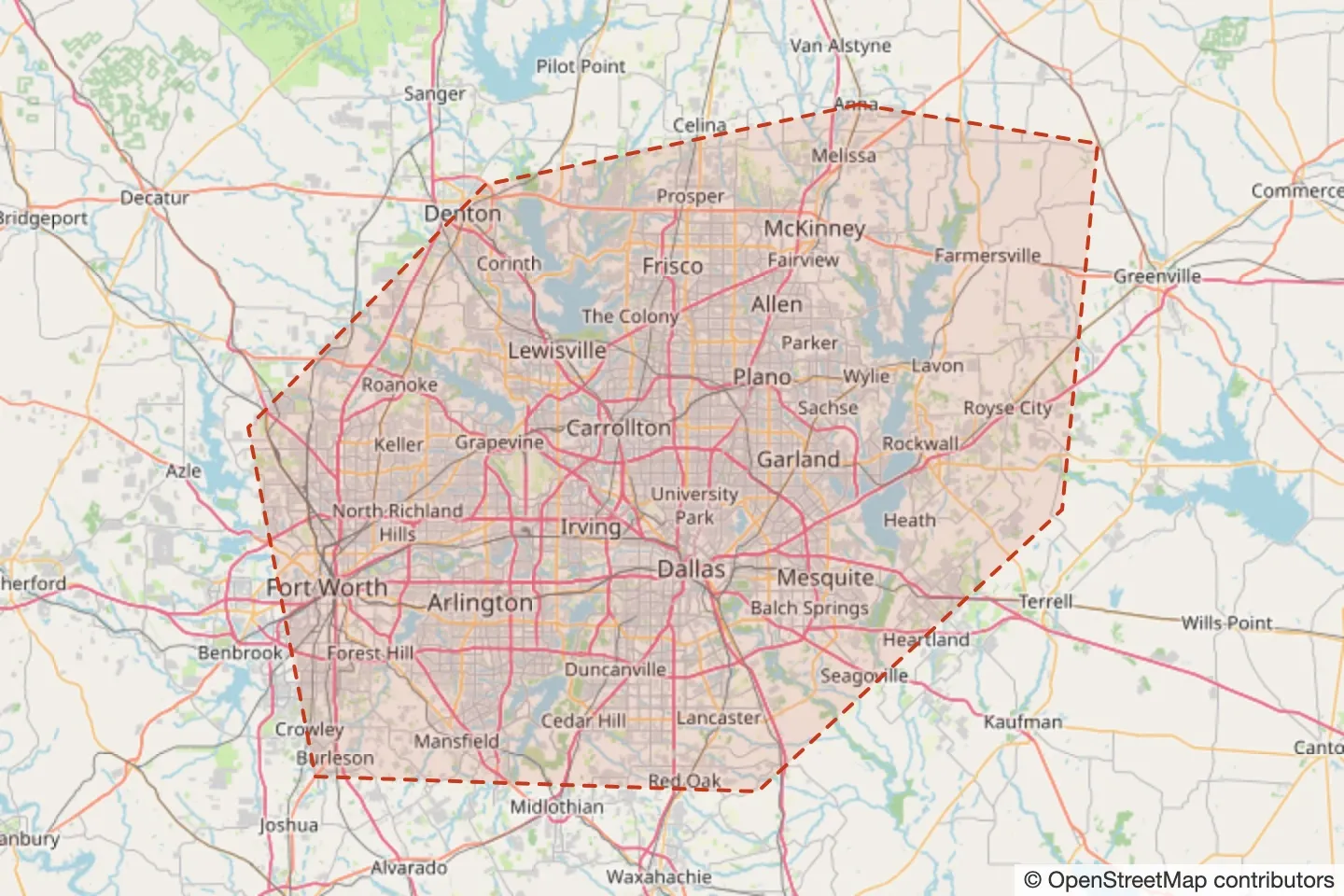
If belongings in your home or business in McKinney, TX have been affected by water, smoke, or mold, call us. We'll inventory what's there, tell you plainly what can be cleaned and restored versus what can't, and keep everything documented and stored securely until the property is ready for move-back. We serve homes and businesses across McKinney, TX and the surrounding area, and the on-site estimate is free.