Safe Sewage Backup Cleanup in Southlake, TX
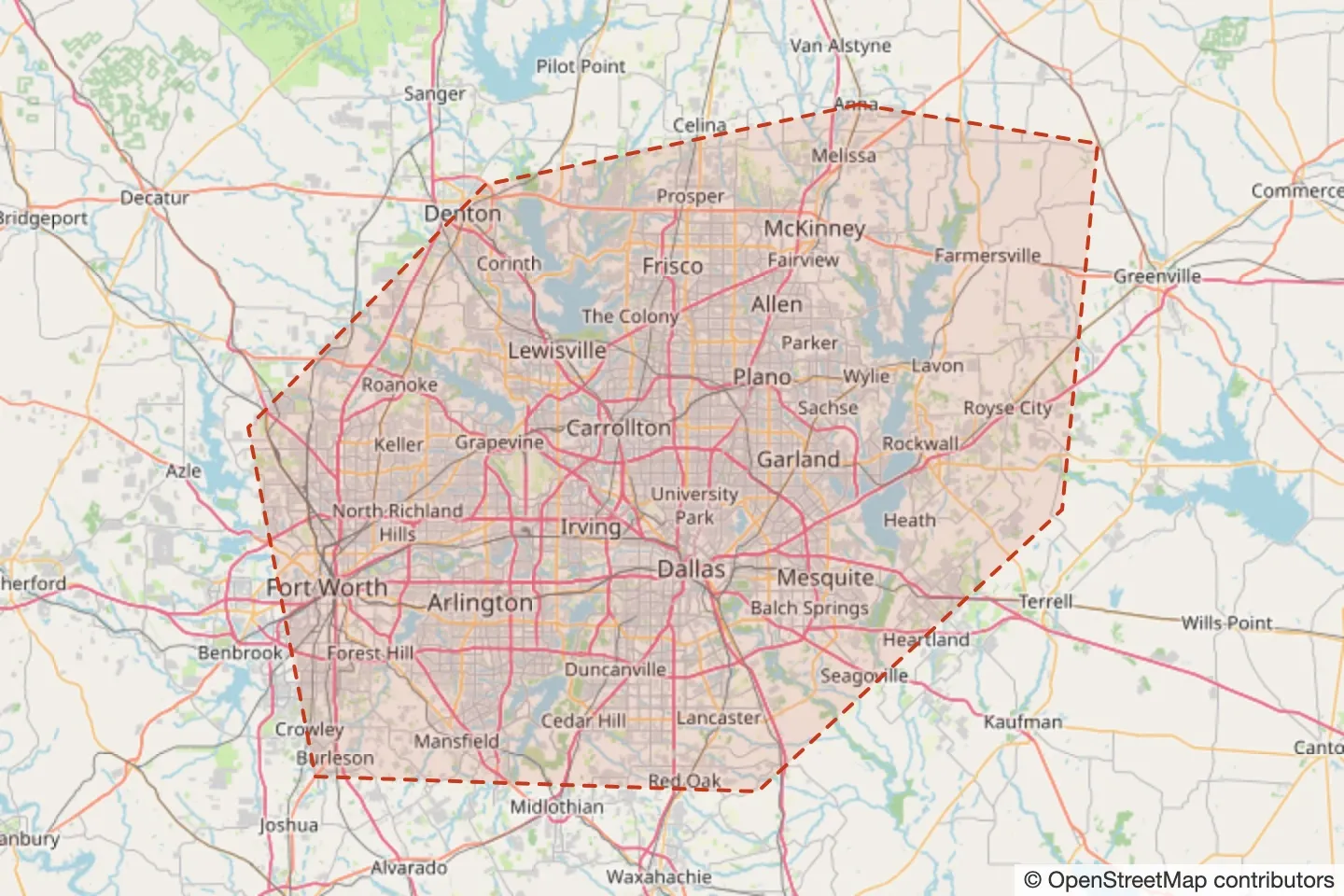
Sewage backup water is classified as Category 3 contamination regardless of how clean it looks, and that classification decides almost every choice made on a sewage cleanup job. With a clean-water loss the question is usually what can be dried in place; with sewage backup cleanup, the question is what has to leave the property because it cannot be made safe any other way. This is the western side of our coverage area. We serve it fully, and we will give you a realistic arrival window on the call rather than an optimistic one. We contain the affected area before anything else moves, since foot traffic through contaminated water before containment is set up is how a backup in one room spreads to three.
If you are dealing with a sewage cleanup in Southlake right now, the most useful thing you can do before we arrive is stay out of the affected room and keep children and pets away from it entirely. We are not going to describe what a backup looks or smells like beyond what is needed to explain the cleanup — this is a straightforward property problem, and it gets a straightforward, professional response.
Why Sewage Water Needs Professional Cleanup
Ordinary household cleaning products are built to clean surfaces, not to address contamination that has worked into a material's structure. Sewage cleanup is different from a normal spill because the water carries contamination into carpet fiber, drywall paper, and subfloor seams — places a mop, a wet vacuum, or a surface disinfectant cannot reach. That is the core reason sewer backup cleanup is a job for people with the right containment and removal process, not a weekend project.
The other reason is scope. A backup rarely stays contained to the spot where it surfaced — it tracks along baseboards, under cabinet toe kicks, and into flooring seams faster than it is visible while it is happening. Professional sewage damage cleanup starts with figuring out how far the water actually traveled, which is usually farther than the wet spot on the floor suggests.
This is also why sewage cleanup is not treated as a stronger version of a regular cleaning job. The containment, removal, and disposal steps are different because the risk profile is different, and skipping any of those steps does not save time — it usually just means redoing part of the job once contamination shows up somewhere it was assumed to be contained.
Sewer Backup, Septic Backup, and Toilet Overflow Situations
A sewage cleanup call can start from several different sources, and the source matters for how we approach it. A municipal sewer backup pushes water up through the lowest drain in the property when the line is overloaded, which is common during heavy rain. A septic backup usually signals a tank or drain field problem rather than a plumbing issue inside the house, and a toilet overflow can involve either clean or contaminated water depending on what caused it and what came up with it.
Root intrusion and aging sewer laterals cause a slower version of the same problem — a drain that has been running slow for weeks finally backs up with little extra warning. The expansive clay soils common across North Texas add to this: as the ground swells and shrinks with rainfall, that movement stresses pipe joints, and a joint that separates slightly gives roots an opening to grow into over time. Whatever the source, black water cleanup follows the same containment-first approach.
Grease buildup and objects that should never have gone down a drain are common non-weather causes too, and they tend to show up as a slow drain for days before the actual backup happens. A drain that empties slower than it used to is one of the few early warnings a backup gives before it arrives.
Containment, Removal, Cleaning, and Drying Process
Containment comes first — sealing off the affected area so contaminated water and airborne particles do not spread into the rest of the property. From there, standing water gets extracted, using the same equipment and approach covered on our water extraction page, though the material handling afterward is different because of the contamination.
Porous materials that contacted the contaminated water — carpet, pad, baseboards, and often the lower section of drywall — typically cannot be safely cleaned and come out instead. This is the single biggest difference from a clean-water loss: those materials are not disinfected back to a safe condition, because contamination that has worked into a porous structure cannot be reliably reached and removed by cleaning it in place. Hard, sealed surfaces like tile and sealed concrete are the exception and generally clean and disinfect in place. Once contaminated material is removed and remaining surfaces are cleaned, drying follows the same moisture-tracking process used on any water loss — see structural drying for how that works.
Subfloor gets a case-by-case look. Plywood with brief surface contact that dries quickly can sometimes be cleaned and sealed, but subfloor that stayed wet long enough for contamination to reach the seams gets removed instead, since sealing a surface over a contaminated substrate does not actually solve the problem underneath it.
Basement Sewage Backup Cleanup
A basement sewer backup adds a wrinkle that a single-story loss does not have: there is no way for the water to spread out and thin across a large footprint, so it tends to sit deeper in a smaller area and hold contact with flooring, drywall, and stored belongings longer before anyone notices. Basements are also frequently where mechanical equipment, stored contents, and finished living space sit closest to the point where a backup would surface.
The approach does not change because the space is a basement, but the assessment does: everything that contacted the water gets evaluated for what can be cleaned versus what has to be removed, and stored items get sorted the same way porous building materials are — kept, cleaned, or discarded based on what actually contacted contaminated water, not on sentimental value alone.
Basements also tend to hold a water heater, furnace, or electrical panel, so part of the initial walkthrough is checking whether any of that equipment sat in the water's path before it gets powered back on or run again.
Odor, Mold, and Reconstruction Considerations
Lingering odor after a sewage cleanup usually means moisture or a small amount of residue remains somewhere the initial cleanup did not fully reach, not that something dangerous is present. We treat a persistent smell as information worth a follow-up look rather than something to mask with a fragrance product. Mold is a legitimate concern anywhere water sat for an extended period, sewage-related or not, and where conditions call for it, our mold remediation team can assess and address it as a separate, coordinated step.
Once removal, cleaning, and drying are complete and verified, whatever building material was taken out — drywall, baseboards, flooring — needs to go back in. We can talk through what that rebuild involves as part of the same conversation, though the reconstruction itself is scoped and priced separately from the cleanup.
None of this requires guesswork on your end. We tell you plainly what came out, what stayed and was cleaned, what got disinfected, and what still needs a follow-up look — in writing, not just as a verbal summary on site.
Also Serving Areas Near Southlake
Our Southlake crews also cover Grapevine, Colleyville, Keller, Trophy Club. If your property sits between two of these, call and we will tell you straight whether we can reach you.
Get Sewage Cleanup in Southlake, TX
If a sewer backup or overflow has affected a Southlake property, stay out of the area and call before trying to clean it yourself. We contain it, remove what cannot be safely cleaned, disinfect what can be, and document the job throughout — and we also cover Grapevine, Colleyville, Keller.