Professional Black Mold Removal for Homes and Businesses in North Richland Hills
If you have found dark mold growth in a North Richland Hills property, the sensible first step is having it assessed before anyone disturbs it — not searching online for what it might be. We will be straight about this up front, because it is the single most important thing on this page: dark color alone does not tell you what a mold is. Many species present as black, dark green, or nearly black, and the only way to identify one is laboratory analysis of a sample, not a visual guess from across the room. We do not name a species from appearance, and any company that does is guessing.
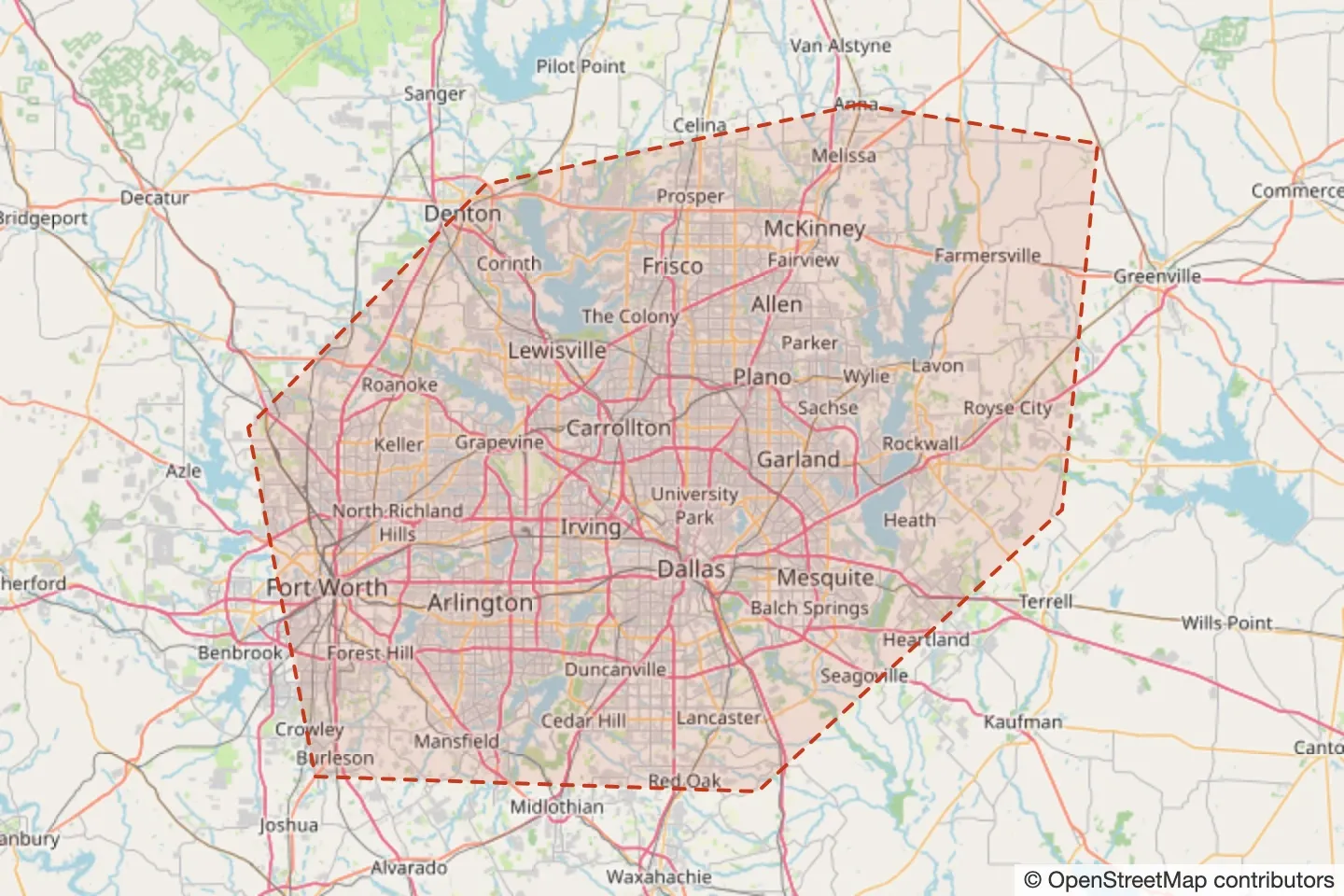
This is the western side of our coverage area. We serve it fully, and we will give you a realistic arrival window on the call rather than an optimistic one. The practical upside is that the correct response is the same regardless of what the growth turns out to be. We find the moisture keeping it alive, contain the work zone, remove materials that cannot be cleaned, and treat surfaces that can — whether a lab would eventually classify it as one species or another. Our technicians hold IICRC certifications, and the on-site assessment for a North Richland Hills property is free.
What to Do If You Find Suspected Black Mold
Do not disturb the growth. Brushing, scraping, sanding, or running a household vacuum over it is what puts spores into the air and moves the problem into rooms that were clean. If there is an obvious active leak and shutting it off is a simple valve or fixture, do that; if stopping it means opening up building fabric, leave that part to us.
Shut down HVAC serving the area, since air handling will distribute spores through ductwork into the rest of the property. Photograph the growth and any water staining before anything changes, and keep anyone with asthma, allergies, or a chronic respiratory condition away from the area until it has been assessed. If anyone in the property has symptoms they are concerned about, that is a conversation for a doctor — we are a restoration company, not a medical one, and we will not pretend otherwise.
Once we arrive, we walk a North Richland Hills property with you before any equipment comes off the truck, point out what we are seeing, and explain what has to happen next in plain terms. We would rather spend ten extra minutes answering questions up front than have you wondering later what we did and why.
What Black Mold Removal Includes
Once a North Richland Hills property has been assessed, the work generally follows the same sequence, adjusted to what is actually found underneath.
Inspection and Moisture Source Review
We start by finding what is keeping the growth alive — a roof leak, a slow plumbing line, condensation, or humidity that never dropped. Removing mold without correcting the moisture behind it is why the same spot sometimes grows back within months.
Containment
Before anything is disturbed, the work area is sealed off and held under negative pressure, so air moves into the containment rather than out of it. That step is what keeps the job from turning into a cleanup that spreads the problem into hallways and adjoining rooms.
HEPA Filtration
HEPA air scrubbers run inside the containment while material is cut out and bagged, capturing spores released during the most disruptive part of the job rather than letting them drift through the property.
Removal of Contaminated Porous Materials
Porous materials — drywall, insulation, carpet pad — absorb moisture into their structure, and growth follows it in, so they come out rather than getting surface-cleaned. What gets removed is decided by the material's condition, not by what species is suspected.
Cleaning Salvageable Surfaces
Hard, non-porous surfaces like tile, sealed trim, and glass usually clean up and can be treated in place. Structural wood is assessed individually — it can often be cleaned, dried, and sealed if it is still sound.
Drying and Prevention
The area is dried to a measured target once contaminated material is out, and we document what was removed, what was cleaned, and what corrected the moisture source, so you have a record of the work.
Black Mold on Drywall, Wood, Ceilings, and Floors
Drywall and ceiling material that has taken on moisture and visible growth are almost always removed rather than cleaned, since the material absorbs water into its structure and growth follows it below the surface you can see. Flooring depends heavily on the material — carpet and pad affected by standing water or chronic moisture typically come out, while sealed hardwood or tile can sometimes be cleaned and dried if the damage has not gone further than the surface.
Wood framing sits in between. Depending on how far moisture and growth have gone into the grain, structural wood can often be cleaned, dried, and sealed rather than replaced outright — but that is an assessment made on site, material by material, not something we can tell you from a description over the phone.
Inspection, Testing, and Verification
Where the job needs clearance testing after the work is finished, in Texas it comes from a licensed assessor who is independent of the remediation company — we never clearance-test our own work. See mold testing for how independent sampling works and what it can and cannot tell you.
If you are not sure whether a North Richland Hills property needs an inspection, testing, or straight-to-removal, that is a normal question and we would rather answer it honestly than sell you the wrong service. See mold inspection for the visual and moisture-based assessment that most black mold calls actually start with.
We also photograph the affected areas, log moisture readings, and keep a written record of what was found and removed, which most customers bring to their insurer. What we cannot do is tell you whether your policy covers the loss or what it pays — that decision belongs to your carrier, and any company that promises otherwise is guessing rather than reading your policy.
Also Serving Areas Near North Richland Hills
Our North Richland Hills crews also cover Watauga, Bedford, Keller, Fort Worth. If your property sits between two of these, call and we will tell you straight whether we can reach you.
Get Black Mold Removal in North Richland Hills, TX
What we will not promise is that a North Richland Hills property will be permanently free of mold — spores exist in every indoor environment, and any company claiming otherwise is not being straight with you. What we can do is remove the growth, correct the moisture behind it, and document the work, so if the source is genuinely fixed, it does not come back to that spot. The on-site assessment is free, and we also cover Watauga, Bedford, Keller.