Fire Sprinkler Water Damage Cleanup in Little Elm, TX
Sprinkler discharge can come from an actual fire, a false alarm, a malfunctioning head, or routine system testing gone wrong, and the water damage that follows behaves the same way regardless of the cause. A single activated head releases a large volume of water in a short time, and in an office, retail space, or multi-tenant building in Little Elm, that water spreads fast across open floor plans and drops through ceiling tiles into the space below before anyone has time to react. We are based in McKinney, just south of here, which makes northern Collin and Denton County among the fastest areas for us to reach. We treat sprinkler water as contaminated rather than clean, since it has usually passed through smoke and combustion byproducts, or sat in pipes that held standing water for years.
We inspect the affected floor and any space below it, extract standing water, dry the structure, protect contents still in the water's path, and document everything for your insurance carrier or property manager. The on-site assessment is free, and for an active discharge, the faster extraction starts, the less of the building it reaches.
What to Do Right Away
If a sprinkler head has activated and it is safe to do so, notify building management or the fire protection monitoring company right away — a discharged head takes that section of the system out of service until it is reset, and someone needs to know. Stay clear of any ceiling tile that is sagging or already wet through; a soaked tile can hold several times its dry weight before it finally gives way, and it can come down without warning.
Move electronics, files, and inventory out of the water's path only if it is safe and quick to do so, and do not climb on wet flooring or reach near outlets to grab something. Photograph the discharge area, the ceiling, and any affected contents before cleanup starts, and call us so extraction can begin while the loss is still contained to one area rather than spreading further.
In a multi-tenant building, let neighboring tenants know as soon as the discharge is contained, since water dropping through a ceiling rarely respects a single unit's walls. Keeping the affected area cordoned off protects both people and contents while extraction gets underway, and it gives us a clear space to work without having to reroute equipment around foot traffic.
How Our Fire Sprinkler Water Damage Process Works
We start with moisture mapping of the affected floor and the space directly below it, since water from a ceiling-level discharge drops through tile and drywall fast and often affects more than the room where the head activated. Where standing water is present, extraction starts immediately — a single head can put a large volume down in minutes, and getting ahead of it limits how far it spreads across an open floor plan.
From there we move into structural drying and dehumidification, cleaning and deodorizing surfaces that were exposed to contaminated discharge water, and a final round of moisture verification before we call an area dry. Every reading, photo, and equipment log becomes part of the documentation we hand over for your insurance carrier or property management. See water extraction and moisture mapping for more on how those two steps work together.
In an occupied office or retail space, we work with property management to schedule equipment placement and noisy drying work around business hours where that is possible, rather than forcing a shutdown for the full drying period. Where the space has to stay closed to the public while it dries, we say so plainly rather than promising a timeline we cannot back up.
Common Damage Areas and Warning Signs
Ceiling tiles are usually the first casualty in any sprinkler discharge — they absorb water quickly, sag, and can collapse under the added weight, so we clear the area under a sagging section rather than waiting to see if it holds. In older buildings, sprinkler pipes that have sat full of standing water for years can also discharge a rust-colored, sediment-heavy flow that stains ceiling tile, flooring, and contents on contact, independent of whether a fire was involved at all.
In commercial and multi-tenant spaces, the contents usually carry more exposure than the structure itself. Paper records and file boxes wick water from the bottom up even when the tops look untouched, server and network equipment can be damaged by a few drops finding the wrong connector, and retail merchandise on lower shelving sits directly in the path of anything dripping from above. If discharge water sits long enough for visible growth to appear, we will point you to our mold remediation team rather than clean over it.
Parking garages, warehouses, and other unconditioned spaces sometimes run dry-pipe sprinkler systems specifically because the lines are not heated, and a hard freeze can still crack a valve or fitting even on a system designed for cold. North Texas gets sharp winter cold snaps most years, and a sprinkler line in an unheated space is exposed to the same freeze risk as any other unprotected pipe, which is why a discharge in these areas sometimes has nothing to do with fire at all.
Cleanup, Drying, and Repair Coordination
Our work is the water damage cleanup that follows a discharge — extraction, structural drying, cleaning, odor control, and documentation. We do not inspect, reset, or repair the sprinkler system itself; that goes to a licensed fire protection contractor, and we coordinate our schedule around theirs rather than working at cross purposes.
We also work directly with property management and, where a landlord or tenant needs it, provide the documentation each party needs for their own claim. If flooring or ceiling tile has to be replaced rather than dried, our flooring installation team can pick that up once the space is confirmed dry.
A single discharge event often has more than one interested party — a property owner, a tenant, an insurance adjuster, sometimes a fire protection company all at once. We keep our documentation clear and consistent for whoever needs it, but we do not take a position on how the cost gets split between a lease and a policy; that is a conversation for the parties involved.
Related Water Damage Services
A sprinkler discharge sometimes overlaps with services that deserve their own look: water extraction for the fast removal of standing water a discharge puts down in minutes, structural drying for drying out ceilings, walls, and flooring once the water itself is gone, and moisture mapping for documented readings across every floor a discharge reached.
For records, electronics, and inventory that need to move out of the water's path, see contents cleaning and storage. And when a discharge affects more than one space, water mitigation covers the broader emergency response. For the full range of what we handle, see water damage restoration.
Also Serving Areas Near Little Elm
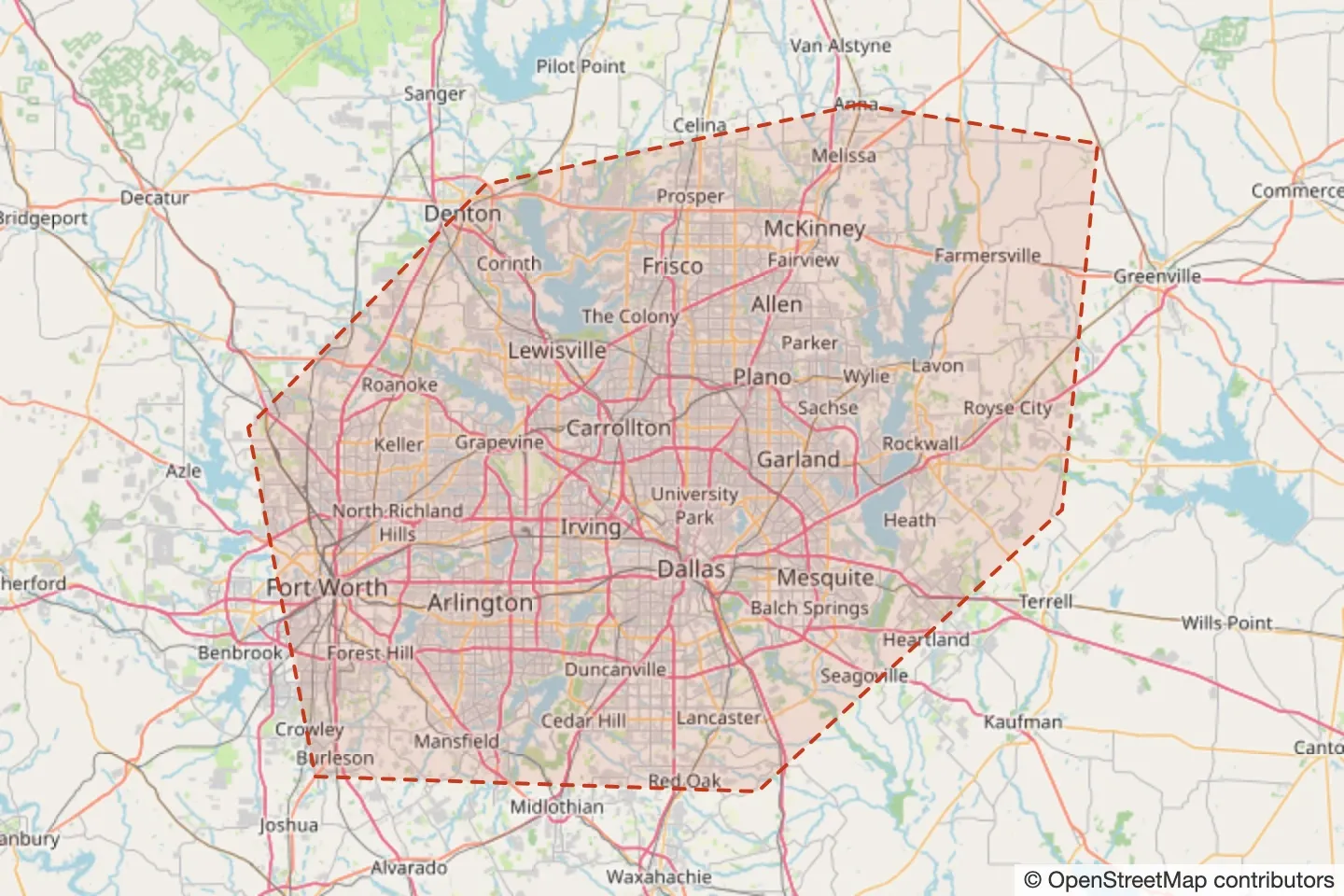
Our Little Elm crews also cover Frisco, The Colony, Prosper, Aubrey, Lewisville. If your property sits between two of these, call and we will tell you straight whether we can reach you.
Get Fire Sprinkler Water Damage in Little Elm, TX
If a sprinkler head has discharged in your Little Elm home or business, call us right away. We will get extraction started, protect contents still in the water's path, and document everything for your insurance carrier or property management. The on-site estimate is free, and we also cover Frisco, The Colony, Prosper.