Crawl Space Mold Removal for Damp, Musty, or Water-Damaged Crawl Spaces in Lewisville
Worth saying up front, because it is true and it saves a wasted call: most homes in Lewisville and across North Texas are built slab-on-grade, so a true crawl space is less common here than in a lot of the country. If your home does not have one, this is not the page you need — a slab foundation raises different moisture questions entirely, and we can point you the right direction if you are not sure which you have.
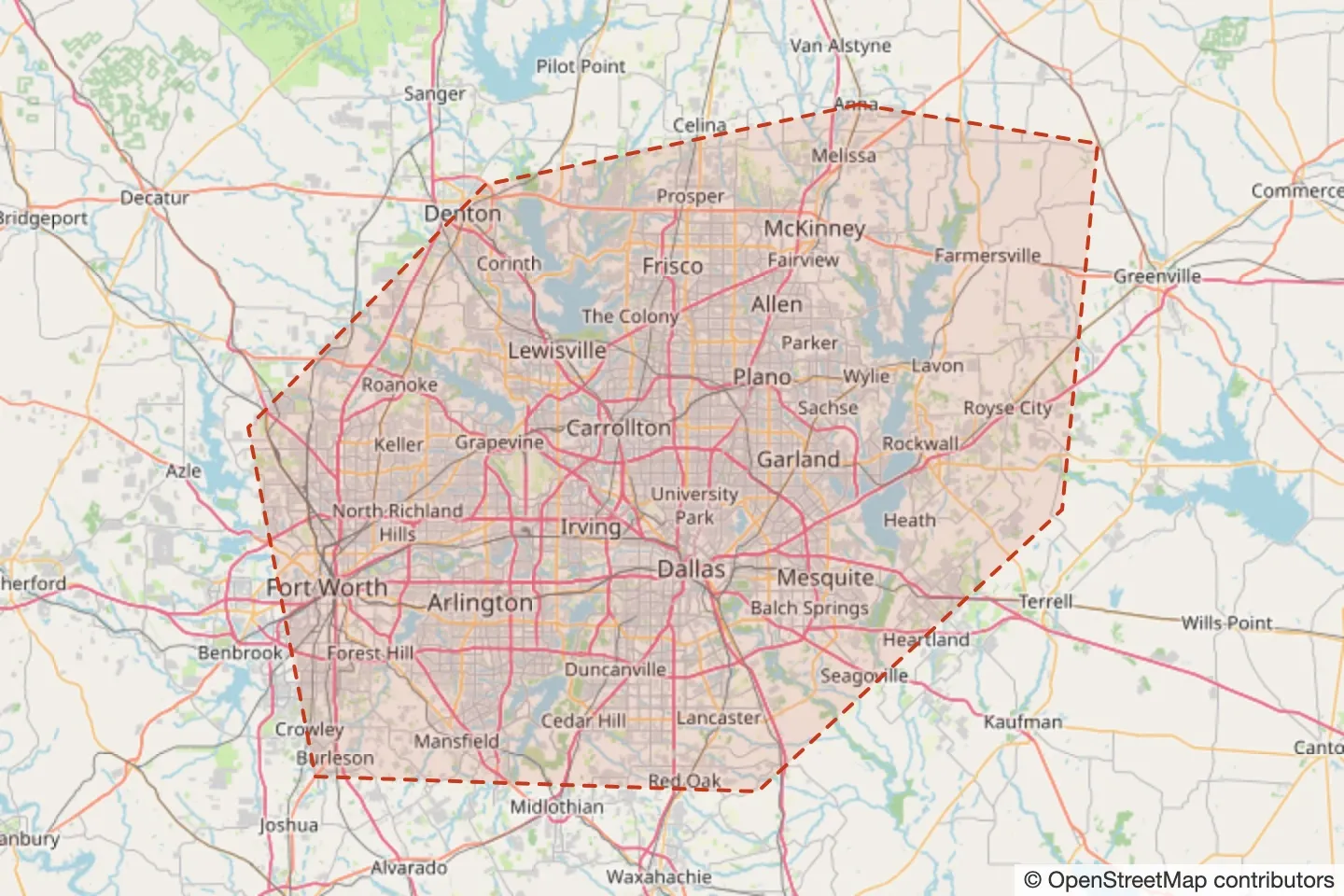
This is the western side of our coverage area. We serve it fully, and we will give you a realistic arrival window on the call rather than an optimistic one. That said, plenty of homes here do have a crawl space — older pier-and-beam houses, additions built over a raised foundation, and some newer construction in certain subdivisions. Where a crawl space exists, ground moisture, plumbing leaks, and poor ventilation are the usual causes of growth on floor joists, subfloor, and insulation.
Why Mold Grows in Crawl Spaces
Ground moisture is the biggest factor. Soil under a house holds moisture long after rain, and without a proper vapor barrier, that moisture moves up into the crawl space air and settles on the underside of the floor and any exposed framing. Plumbing leaks are another common cause, since supply and drain lines often run through the space and a slow leak can go unnoticed for months before anyone smells it upstairs. Where a leak or flooding event is active rather than a slow moisture problem, see crawl space flooding.
Foundation seepage after heavy rain, HVAC condensation from equipment located in the crawl space, and a missing or damaged vapor barrier all add moisture to a space that already has limited airflow. Grading around a Lewisville home matters more than most homeowners realize — soil sloping toward the foundation instead of away from it, or a downspout emptying right next to the crawl space opening, keeps feeding moisture into ground that never gets a chance to dry.
Poor cross-ventilation makes all of the above worse. Older crawl space vents were designed to let outside air move through, but in a humid stretch that outside air can carry as much moisture as it removes, which is one reason a vapor barrier and controlled ventilation usually work better together than either one alone.
Signs of Crawl Space Mold
A persistent musty smell in the house, especially near floor vents or in a room directly above the crawl space, is the most common indirect sign — most people notice the smell long before they ever go underneath to look. High humidity in the crawl space itself, damp or sagging insulation hanging from the joists, and visible growth on wood framing are the direct signs once someone does check.
Because a crawl space is out of sight by design, growth is often found further along than expected by the time someone notices a smell or goes under for an unrelated reason, and a home inspection finding is a common way this gets discovered as well. Pest activity or an unexplained increase in a Lewisville home's heating and cooling bill can also point back to a crawl space problem, since gaps in a compromised vapor barrier or wet insulation both affect how the house holds temperature.
Crawl Space Mold Remediation Process
Access is tight and the working conditions are not comfortable, which is part of why these problems tend to go unnoticed for so long. The process itself follows the same logic as any other mold job.
Access and Safety Setup
We set up safe access and ventilation for the crew before work starts, since a confined, low space needs its own precautions separate from the mold itself.
Moisture and Source Inspection
We identify what is keeping the space wet — ground moisture, a plumbing leak, poor grading, or a missing vapor barrier — before deciding what to remove. Cleaning growth without finding the source means doing the job again later.
Removal of Contaminated Insulation or Debris
Affected insulation and other porous material generally come out, since insulation absorbs moisture and cannot be cleaned back to sound condition once growth has taken hold.
Cleaning and Treatment of Wood Framing
Floor joists and subfloor are cleaned and treated where the wood is still structurally sound. Framing that has been compromised is assessed and repaired rather than just treated on the surface.
Drying
The space is dried to a measured target before insulation is replaced or the area is closed back up, so moisture is not sealed in behind the repair.
Prevention Recommendations
Where a vapor barrier or additional moisture control would genuinely help, we explain plainly what it involves and what it can realistically be expected to do, rather than upselling a system a particular crawl space does not need.
Preventing Crawl Space Mold From Returning
Cleaning up growth without addressing what caused it means doing the job again in a year or two, usually with more material lost the second time. Correcting the moisture source — the leak, the grading, or the missing vapor barrier — is the part that actually solves the problem, not the cleaning itself.
A vapor barrier blocks ground moisture from reaching the crawl space air, but it does not fix an active plumbing leak or poor exterior grading on its own — those need to be corrected separately, and we will tell you which one applies to a Lewisville property rather than recommending the same fix for everyone. Where standing water is a recurring problem rather than an occasional puddle after rain, drainage or a sump pump is usually a more honest answer than a vapor barrier alone.
Also Serving Areas Near Lewisville
Our Lewisville crews also cover The Colony, Flower Mound, Carrollton, Denton, Little Elm. If your property sits between two of these, call and we will tell you straight whether we can reach you.
Get Crawl Space Mold Removal in Lewisville, TX
If you have a crawl space in a Lewisville home and have noticed a musty smell or found growth while working underneath, have it inspected before it spreads further into insulation or framing. We will tell you plainly what is causing it and what has to be removed versus cleaned. The on-site inspection is free, and we also serve The Colony, Flower Mound, Carrollton.