
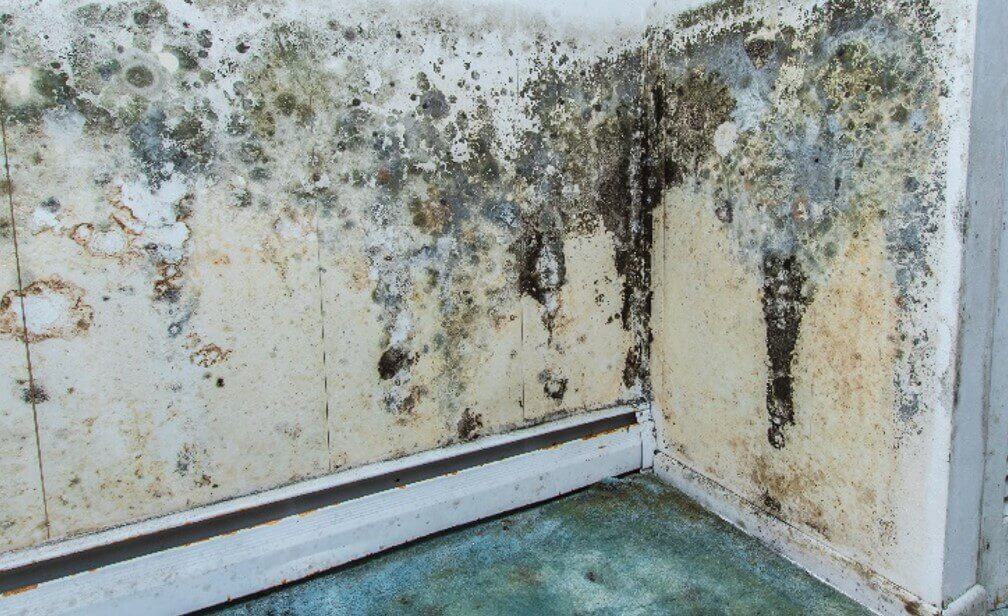
Water damage hits fast, but mold grows in silence. It slips into your home without noise, taking advantage of every dark corner, every soaked material, and every place moisture refuses to leave. Mold hides behind drywall and under flooring, spreading long before anyone sees the first spot. Most homeowners ask the same question the moment water enters their space. How long do I have before mold begins to grow. The answer is simple but uncomfortable. Mold can begin forming within one or two days after water damage. Once it starts, it does not stop on its own. This guide explains how quickly mold develops, why it grows so fast, and what happens if you wait too long.
Mold Starts Earlier Than Most People Expect
Mold spores exist in every home long before water damage ever happens. They float through the air unnoticed and settle quietly on surfaces. They are harmless until moisture arrives. When water touches drywall, wood, carpet, insulation, or furniture, mold receives everything it needs. In the right environment, mold begins to grow within twenty four to forty eight hours. By the third day it starts to spread, and by the end of the first week it can become a serious problem. Mold does not wait for the area to dry. It grows inside materials long before any surface looks wet.
Why Mold Grows So Fast After Water Damage
Mold needs three things to thrive. Moisture, warmth, and organic material. Water damage provides all three instantly. Moisture is the trigger. Water slips behind walls, under floors, and inside insulation where air cannot reach. These areas stay wet far longer than any surface. Homes naturally provide warmth year round, giving mold a comfortable temperature. Organic material is everywhere inside the structure. Drywall, wood framing, carpet fibers, insulation, and even furniture can feed mold. Once these elements come together, the growth cycle begins without hesitation.
How Different Materials Develop Mold at Different Speeds
Not all areas of your home react to moisture the same way. Some materials dry faster, while others hold water for days. Drywall absorbs moisture quickly and holds it deep inside. Mold can begin forming inside drywall within a single day, often before any staining appears. Wood swells when wet and starts developing mold in as little as two days. Carpet dries much slower than people think. Even if the surface feels dry, the padding underneath can stay soaked long enough for mold to form in one day and release odors by day three. Insulation traps moisture more than almost any other material, giving mold a perfect environment. Once insulation becomes wet, it nearly always needs to be removed. Furniture with fabric or wood framing can begin developing mold within several days if it absorbs water.
Early Signs Mold Has Started Growing
Mold rarely announces itself in obvious ways at first. Instead, it reveals itself through small changes that many people ignore. Rooms begin to carry a musty smell. Walls may feel soft or slightly damp. Paint can start bubbling as moisture builds underneath. Floors might feel uneven or slightly spongy. Dust patterns near baseboards look unusual because spores are settling. These early signs mean one thing. Moisture inside the structure has not been removed, and mold growth has already started. Visible spots of mold come later once the growth is strong enough to reach the surface.
The Danger of Waiting Longer Than a Day or Two
Waiting is the biggest mistake homeowners make after water damage. Time moves fast in a wet environment. Once the first forty eight hours pass, mold begins to spread aggressively. By day three, spores release into the air and start affecting nearby rooms. By day five, the smell becomes noticeable and structural materials weaken. After one week, mold becomes embedded deeply enough to require significant removal and reconstruction. After two weeks, the problem becomes a full infestation that affects walls, flooring, insulation, and air quality throughout the home. Mold does not remain in the original spot. It spreads through ventilation, air currents, and natural airflow.
How Mold Affects Health When It Begins to Spread
Mold is not only a structural problem. It is a health problem. Breathing mold spores can cause coughing, chest tightness, congestion, headaches, irritation, and fatigue. People with asthma or respiratory issues react even faster. Children and older adults are especially sensitive to poor air quality. This is why fast action after water damage is so important. Mold changes the air you breathe long before you see any visible growth.
Dry Surfaces Do Not Mean the Home Is Safe
One of the biggest misunderstandings about water damage is the belief that once surfaces look dry, the danger is gone. This is not true. Water damage dries from the outside in. The visible surface dries first while the inside of the material stays wet. Drywall, insulation, subflooring, and wood framework can hold moisture for days or weeks. Mold grows inside these materials long before it becomes visible on the surface. This is why many people discover mold weeks after the original water event, even though the area looked dry for days.
How to Stop Mold Before It Starts
The only way to stop mold is to remove moisture before mold receives a chance to grow. Standing water must be removed immediately. Drying needs to begin on the same day as the water event. Strong airflow and dehumidifiers help remove moisture from the air, but surface drying is never enough. Materials that stay wet must be removed before mold forms inside them. Checking behind walls, under flooring, and inside cavities is essential because water travels unpredictably. Every action must focus on eliminating hidden moisture before mold can develop.
Why Professional Drying Makes the Biggest Difference
Professionals use tools that go far beyond standard household fans. Moisture meters and thermal cameras locate water inside walls and floors. Commercial grade dehumidifiers and air movers pull moisture out of materials from the inside. Professionals understand which materials can be saved and which must be removed to prevent future mold growth. They do not rely on guesswork. They measure, document, and restore the home in a way that prevents mold from returning later.
Final Word
So how long does it take for mold to grow after water damage. In most cases, only one or two days. Moisture, warmth, and organic materials create ideal conditions almost instantly. The best protection is fast action. Remove the water. Dry the home. Call professionals who know how to reach the hidden areas where mold begins. Waiting even a single day can change the entire outcome of your home.