Can You Stay in a House with Water Damage?
Water damage feels like a quiet threat. It shows up without warning, spreads without sound, and hides its danger under the surface. You walk through your house, see the wet floors or the stained walls, and the question hits you in the chest. Is it safe to stay here. Can I sleep in this place. Can I trust the air. Can I trust the walls. Can I trust what I cannot see.
The truth is not one simple answer. Water damage can be harmless in a small leak or seriously dangerous in a large event. It depends on the source of the water, how long it has been sitting, and what parts of your home have been touched by it. This guide breaks down everything you need to know so you can decide whether staying inside your home is safe or risky.
Water Damage Is Not All the Same
Before you decide whether you can stay in your home, you need to understand what kind of water you are dealing with. Water is not just water when it enters your house. It carries different risks depending on where it came from.
Clean water from a pipe burst is usually the least dangerous. The main problem with clean water is moisture that stays behind. Moisture can lead to mold, structural weakening, and air quality problems.
Grey water comes from appliances like dishwashers or washing machines. It can hold chemicals, detergents, and bacteria. Staying in a home with grey water damage is more risky, especially if the water has touched living areas.
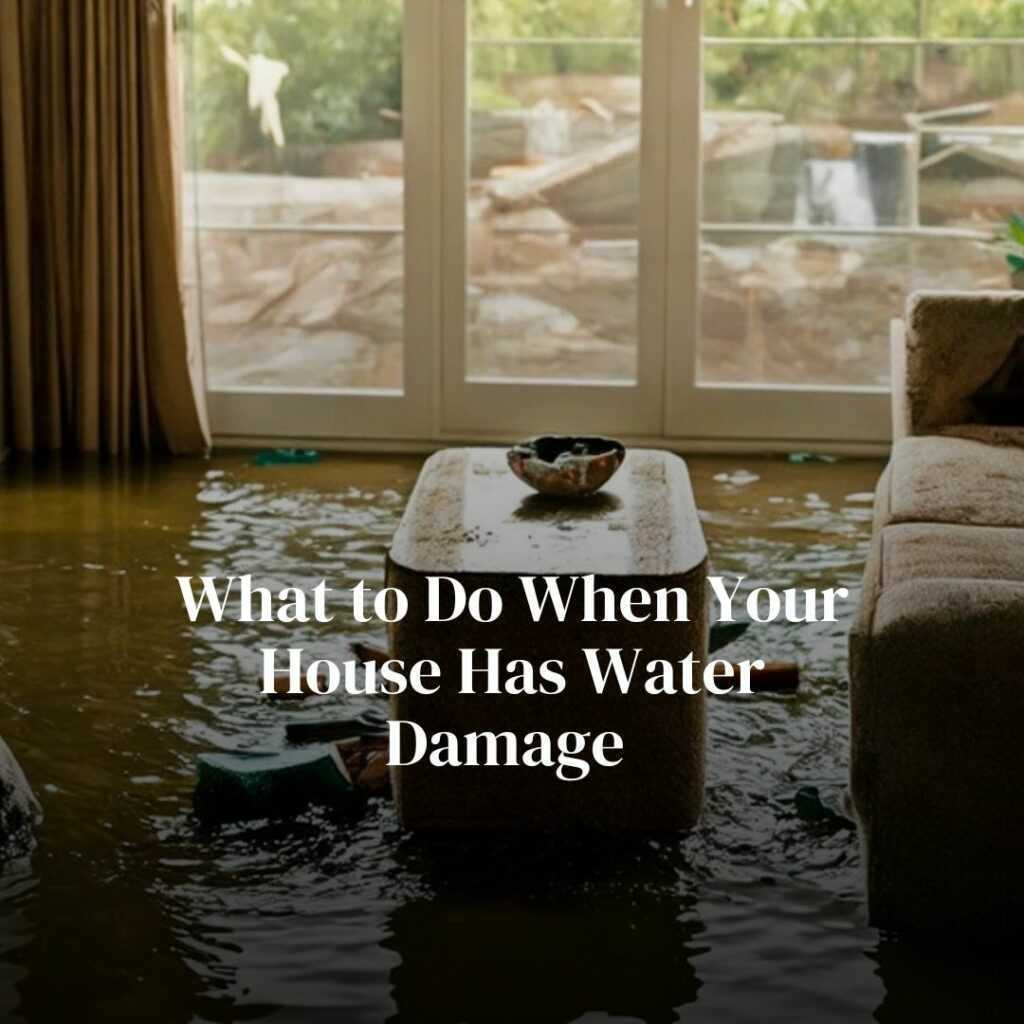
Black water is the most serious. It includes sewage, floodwater, and water from outside that carries debris, bacteria, parasites, and contamination you cannot see. If black water has entered your home, staying inside is not safe. The air becomes unsafe, surfaces become unsafe, and touching anything can make you sick.
Knowing the source is the first step in knowing your safety.
The First Hours Are the Most Important
Right after water enters your house, the risks are mostly physical. Slippery floors. Electrical hazards. Potential collapse from weakened ceilings or soaked flooring. These immediate dangers can make staying inside extremely unsafe until the area is secured.
If water is near electrical outlets or your breaker box, the entire situation becomes dangerous instantly. Electricity moves through water with ease. If you cannot safely shut off power, do not remain in the home.
In the first hours, your focus is not comfort. It is survival. It is making sure no one gets shocked. It is making sure no one slips on a wet floor. It is making sure the ceiling stays above your head and not on top of it.
If any part of your home feels unstable or unsafe, you leave. No questions.
The Silent Threat Inside Your Walls
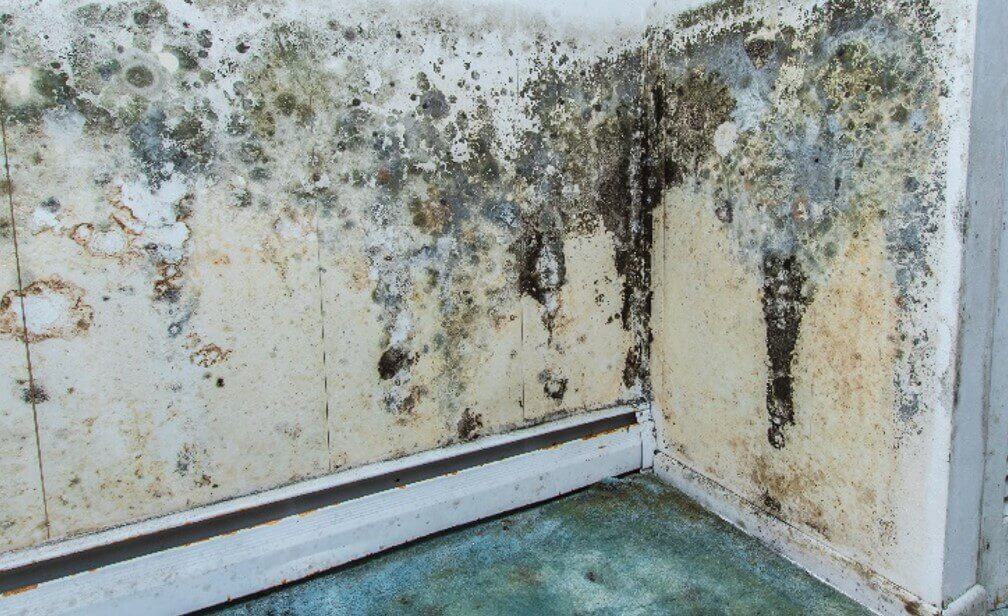
Once the first hours pass, the danger changes. It becomes slower but just as serious. Water that slips behind drywall, under flooring, or inside insulation does not dry on its own. It stays hidden inside the structure. And hidden moisture becomes a breeding ground for mold.
Mold does not need days to grow. It begins within one or two days in a warm wet environment. Once it starts, it spreads through the air and attaches itself to anything porous. Breathing mold spores can irritate your lungs, trigger symptoms, and cause long term respiratory issues.
So when people ask if it is safe to stay in a home with water damage, the deeper question is this. How long has the water been there. If it has been more than one day, the risk increases sharply. And the danger is not visible. It is in the air you breathe.
You are not choosing between an uncomfortable night or a comfortable night. You are choosing between safe air and risky air.
The Floors and Walls May Not Be Stable
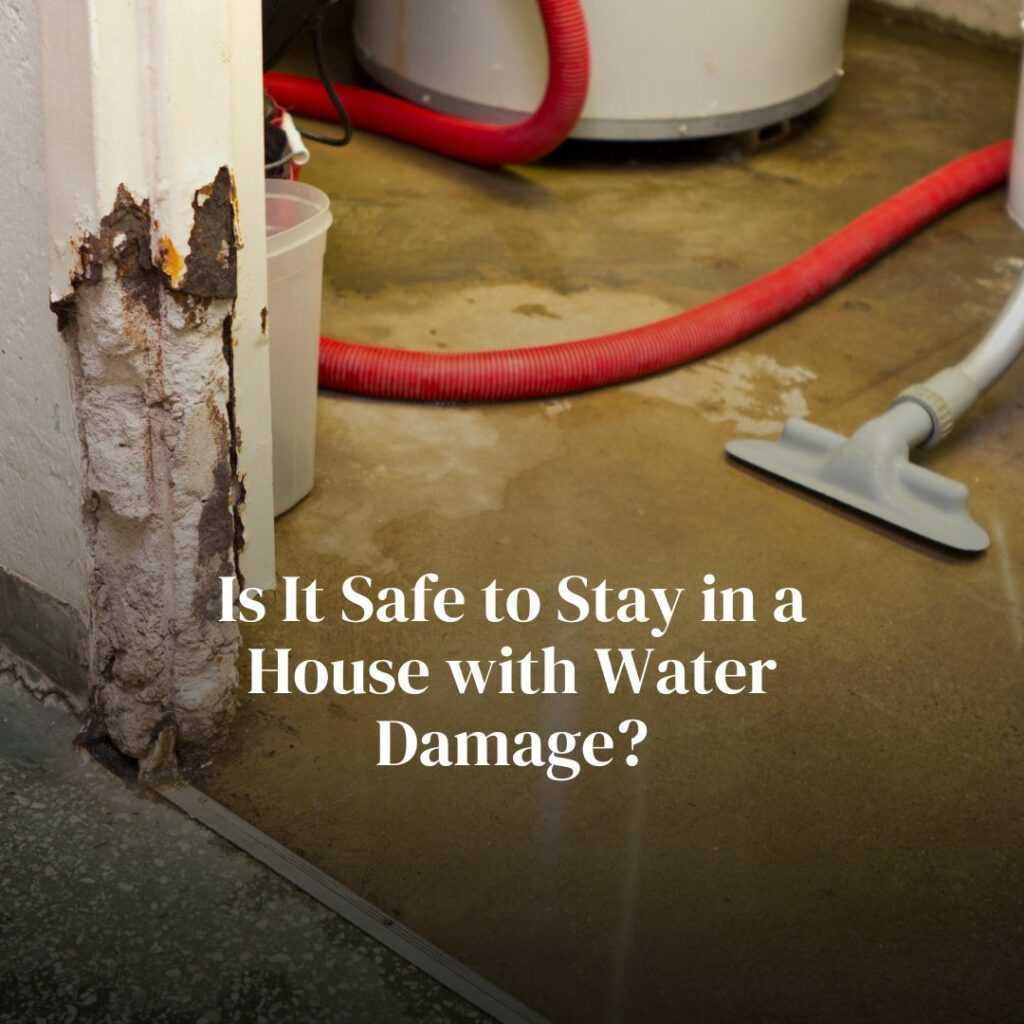
Water weakens building materials. Wood swells. Drywall softens. Floors warp. The structure that holds your weight becomes unpredictable. Even a slow leak can cause long lasting damage if the water has reached the subfloor or support beams.
You might think everything is fine because it looks normal. But water damage is sneaky. It pushes deep into the bones of the house in silence.
Staying in a home with structural water damage can lead to dangerous situations. Floors may buckle. Walls may shift. Ceilings may sag. A house that appears safe can fail without warning if the structure has taken on too much moisture.
This is one reason professionals use moisture meters instead of trusting eyesight alone. The risk is hidden under layers of your home that you cannot inspect by walking around.
The Quality of the Air Matters More Than People Realize
Most homeowners think water damage is a surface problem. They imagine wet carpet and maybe a ruined piece of furniture. They do not think about the air.
But the air is the real battle.
Wet drywall, wet wood, and wet insulation release particles into the air. Mold spores. Bacteria. Dust from damaged materials. These can irritate your lungs, trigger allergies, and make vulnerable people sick. Children, older adults, and people with asthma or respiratory issues feel the effects first.
If you stay in a house with poor air quality caused by water damage, your body will tell you something is wrong. You may feel tired. You may feel congested. Your throat may feel irritated. Your breathing may feel tight. These are signs that the home is no longer safe for normal living.
Good air is invisible. Bad air is invisible. But the impact is real.
When It Is Safe to Stay in the Home
Staying in the home might be safe if all of these conditions are true.
The water source was clean
The damaged area was small
The electricity has been safely managed
Standing water was removed quickly
Drying began within the same day
There is no smell of mold
There is no discoloration spreading
No one in the home has breathing issues
The structure feels solid and firm
If these conditions line up, staying for a short time might be possible. But you should still pay attention. If the smell changes, if the walls feel soft, if the air feels heavy, or if you notice any new symptoms, you leave.
Your body is an alarm system. Listen to it.
When It Is Not Safe to Stay in the Home
You should not stay in the home if any of these apply.
The water came from outside floodwater
The water came from sewage or drains
The water sat for more than one day
There is visible mold
There is a musty odor
The flooring feels soft or unstable
The ceiling is sagging
Electrical systems were touched by water
The home feels humid and heavy
People in the home are coughing or wheezing
If even one of these conditions is true, staying in the house becomes unsafe. Water damage is not something you test by gambling. If your home has reached this level, you leave until restoration begins.
Why Calling Professionals Makes the Biggest Difference
Professionals know how to measure moisture in places you cannot reach. They know how to test the air, how to find hidden pockets of water, how to remove damaged materials, and how to restore your home in a way that keeps your health protected.
They are not just cleaning. They are protecting the structure you live in and the air you breathe. They bring equipment that normal homeowners simply do not have.
The earlier they respond, the safer your home becomes.
Final Word
So is it safe to stay in a house with water damage. Sometimes yes. Sometimes absolutely not. It depends on the source of the water, the amount of damage, how fast you responded, and what is happening inside the walls and the air.
The safest choice is always to treat water damage seriously. Respect it. Move fast. And when in doubt, step out of the home until professionals can make it safe again.